

Alaska’s vastness means its weather changes a lot depending on where you are. The main tourist season is pretty short, but conditions can be very different from spring to summer to fall. On top of that, Alaska’s weather is known for being unpredictable. This makes it tricky to pick just one “best” time to visit. But don’t worry, this guide will help you figure out the best alaska temperature by month for your trip.
Key Takeaways
- Alaska’s climate varies a lot by region: coastal, interior, and arctic areas each have their own weather patterns.
- The best time to visit Alaska depends on what you want to do, but summer generally offers warmer temperatures and more daylight.
- Packing layers is always a good idea, as Alaska’s weather can change quickly, even within the same day.
- Daylight hours vary greatly throughout the year, with long summer days and very short winter days.
- Understanding the average alaska temperature by month for different regions helps with planning your activities and packing needs.
Understanding Alaska’s Diverse Climate Zones
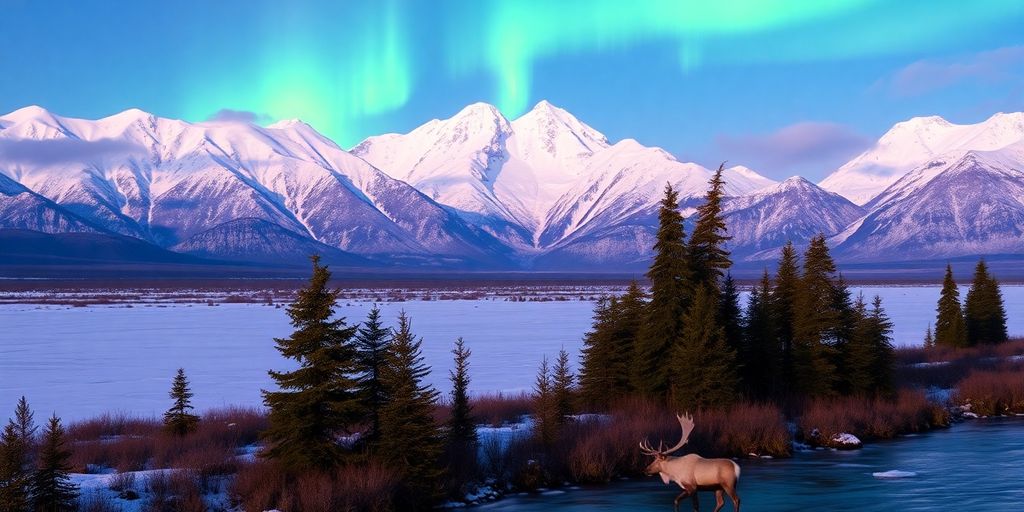
Alaska’s weather? It’s complicated. Seriously, it’s not just cold all the time. The state is huge, and that means different areas have totally different climates. You can go from relatively mild coastal weather to crazy cold Arctic conditions in a single day’s flight. It’s wild.
Coastal Region Weather Patterns
Along the coast, especially in Southeast Alaska, you’ll find a maritime climate. Think lots of rain and relatively mild temperatures, especially compared to the interior. The ocean keeps things from getting too hot or too cold. It’s like a natural thermostat, but with a lot more moisture. You might be surprised, but this area can be pretty green and lush because of all the rain. It’s almost like a rainforest in some spots. If you’re planning a trip, be ready for wet weather, even in the summer. You can find Alaska trip information online.
Interior Alaska Temperature Variations
Interior Alaska is where things get interesting. Here, you’re dealing with a continental climate. That means big temperature swings. Summers can be surprisingly warm, even hot, with temperatures reaching into the 80s or even 90s. But winters? Brutal. Expect temperatures way below zero, and long stretches of cold. The further you get from the coast, the more extreme the temperatures become. This area is also drier than the coast, so you won’t get as much rain, but you will get snow – lots of it. The executive charter services can help you get around.
Arctic Alaska’s Extreme Conditions
Up in Arctic Alaska, it’s a whole different world. This is where you find the most extreme conditions. Sub-zero temperatures are the norm for much of the year, and permafrost underlies the landscape. Daylight hours vary wildly, with almost constant darkness in the winter and 24-hour sunlight in the summer. Traveling here requires serious preparation and respect for the environment. It’s a land of incredible beauty, but also one of harsh realities. The telecommunications and repeater support is essential in this region.
Living in Alaska means adapting to these extremes. You learn to layer your clothing, keep an eye on the weather forecast, and appreciate the short but sweet summers. It’s a challenging place to live, but also one that’s incredibly rewarding. The vast wilderness and unique experiences make it all worthwhile.
Navigating Seasonal Changes in Alaska
Alaska’s seasons are super distinct, and knowing what to expect can really make or break your trip. The weather is famously unpredictable, so being prepared for anything is key. Let’s break down what each season brings.
Spring’s Arrival and Early Cruises
Spring in Alaska is like a slow awakening. Things start to thaw out, but it’s still pretty chilly. April and May see the first cruise ships Alaska Inside Passage making their way up the Inside Passage. Wildlife starts to become more active, and you’ll see more daylight. It’s a great time to avoid the summer crowds, but be ready for variable weather – think rain, sun, and maybe even some snow.
Peak Summer Travel Considerations
Summer is when Alaska is buzzing. July and August are the warmest months, with long days perfect for exploring. This is peak season, so expect more tourists and higher prices. The weather can still be unpredictable, but you’re more likely to get those sunny days everyone dreams about. It’s the best time for hiking, fishing, and all sorts of outdoor adventures. Just remember to book everything well in advance!
Autumn’s Transition and Wildlife
Autumn is a beautiful time in Alaska, with the tundra turning all sorts of colors. The crowds start to thin out, and the wildlife viewing is still fantastic. September can be a sweet spot, with decent weather and fewer people. Plus, you might catch the Northern Lights starting to appear. Be prepared for cooler temperatures and more rain as the season progresses. The best time to visit Alaska is subjective, but autumn is definitely worth considering.
April’s Awakening: Early Season in Alaska
April in Alaska? It’s like the state is just waking up from a long nap. The days are getting longer, the wildlife is starting to stir, and you can feel a sense of anticipation in the air. It’s not quite summer yet, but it’s definitely not winter anymore. If you’re thinking about visiting Alaska in April, here’s what you need to know.
Inside Passage Cruise Beginnings
April marks the start of the cruise season, especially in the Inside Passage. Small cruise ships Alaska Inside Passage cruise start running more regularly, offering week-long itineraries. You might even find longer cruises repositioning from Seattle, which is a cool way to extend your trip. Plus, the nights are still dark enough that you might see the northern lights, which is always a bonus. It’s a great time to snag some Alaska travel deals.
Wildlife Viewing Opportunities
April is prime time for wildlife viewing. The early spring Pacific herring migration brings in humpback whales and orcas looking for a feast. Bears are waking up from hibernation and searching for food too. Mountain goats and other creatures come down to the shoreline to forage. Waterfalls are gushing down fjord walls. Here’s a quick rundown of what you might see:
- Water: Steller sea lions, orca, humpback whales, herring
- Birds: Chickadees, wrens, jays, grouse, thrushes, ducks, loons, swans, geese, owls, bald eagles
- Land: Mountain goats, brown & black bears
Preparing for Variable Spring Weather
April weather can be all over the place. Coastal areas might be milder, but you can still expect cool temperatures and potential sea ice in places like Glacier Bay. Interior Alaska is colder, and the Arctic is, well, arctic. Here’s a general idea:
- Coastal: 30-45 degrees with 11 hours of daylight
- Interior: 15-40 degrees with 14 hours of daylight
- Arctic: -10-5 degrees with 16 hours of daylight
Be prepared for anything. Pack layers, waterproof gear, and be ready to adjust your plans based on the weather. It’s all part of the adventure!
July in Alaska: Peak Summer Experiences
July is often considered the sweet spot for visiting Alaska. The weather is generally agreeable, wildlife is super active, and daylight hours are long. It’s a popular time, so expect more people around.
Optimal Temperatures for Exploration
July brings some of Alaska’s warmest temperatures, making it ideal for outdoor activities. Coastal areas usually hover between 50-65°F (10-18°C), while the interior can reach 50-70°F (10-21°C). Even in the Arctic, temperatures can climb to a relatively mild 33-45°F (1-7°C). These temperatures make hiking, kayaking, and exploring comfortable. You can experience Alaska’s summer by dog-sledding on a glacier.
Extended Daylight for Activities
One of the biggest perks of visiting Alaska in July is the abundance of daylight. Coastal regions enjoy around 18 hours of daylight, the interior gets about 19 hours, and the Arctic experiences nearly 24 hours of daylight. This extended daylight allows for longer days of exploration and adventure. Imagine hiking at 10 PM with plenty of light to spare!
Planning for High Season Crowds
July is peak season, so expect higher prices and more tourists. Booking accommodations, tours, and transportation well in advance is a must. Popular spots like Denali National Park and the Inside Passage will be bustling. Consider exploring less-visited areas or booking smaller small ship cruises to escape some of the crowds. Even with the crowds, the incredible experiences make it worth it.
July is a fantastic time to visit Alaska, but planning is key. Book early, be prepared for crowds, and consider exploring less popular destinations to make the most of your trip. The long daylight hours and pleasant temperatures create an unforgettable experience.
Alaska Temperature by Month: Coastal Regions
Average Temperatures and Rainfall
Coastal Alaska, encompassing areas like the Inside Passage and Southcentral Alaska, experiences a maritime climate that significantly moderates temperatures compared to the interior. This results in milder winters and cooler summers. Expect average summer temperatures in the 50s to 60s Fahrenheit, with occasional warmer spells. Rainfall is abundant year-round, but particularly heavy in the fall and winter months. Here’s a general idea:
- Spring (April-May): 40s-50s°F, increasing rainfall.
- Summer (June-August): 50s-60s°F, moderate rainfall.
- Fall (September-October): 40s-50s°F, heavy rainfall.
- Winter (November-March): 30s-40s°F, significant precipitation, often as snow.
Influence of Maritime Climate
The proximity to the ocean plays a huge role in shaping the weather along Alaska’s coast. The ocean acts like a giant temperature regulator, preventing extreme temperature swings. This means that while interior Alaska might see temperatures plummet far below zero in the winter, coastal areas rarely experience such intense cold. Similarly, summer heat is tempered by the cool ocean breezes. The maritime climate also contributes to frequent cloud cover and precipitation, making rain gear a must-have for any trip to coastal Alaska. You can see the aerial surveying is affected by the weather.
Best Times for Coastal Adventures
The best time to visit coastal Alaska really depends on what you’re hoping to do. For cruising and general sightseeing, the summer months (June-August) are the most popular, offering the warmest temperatures and longest daylight hours. However, this is also peak season, so expect larger crowds and higher prices. Spring (April-May) and early fall (September) can be great alternatives, offering fewer crowds and still-pleasant weather, though you’ll need to be prepared for more rain. If you’re interested in wildlife viewing, different times of year offer different opportunities. For example, whale watching is often best in the spring and early summer, while salmon runs peak in mid-summer. Check out the Alaska State Fair tour if you are in the area in late summer.
One thing to keep in mind is that coastal weather can be unpredictable. It’s not uncommon to experience sunshine, rain, and fog all in the same day. Layering your clothing is key to staying comfortable, no matter what the weather throws your way. Always check the forecast before heading out, but be prepared for it to change quickly!
Alaska Temperature by Month: Interior Regions
Temperature Swings and Dry Conditions
The interior of Alaska is known for its dramatic temperature swings. Summers can be surprisingly warm, while winters are brutally cold. This region experiences a continental climate, meaning it’s less influenced by the moderating effects of the ocean. Precipitation is generally lower than in the coastal areas, leading to drier conditions, especially during the winter months. I remember one summer where it was almost 90 degrees in Fairbanks, and then, just a few months later, it was -40! Crazy.
Impact on National Park Visits
The interior’s weather significantly impacts visits to Denali National Park and other parks in the region. The peak season is during the summer months (June-August) when temperatures are milder and daylight hours are long. However, even in summer, visitors should be prepared for variable weather, including rain and cooler temperatures. The winter months offer opportunities for activities like dog sledding and viewing the aurora borealis, but require careful planning and preparation for extreme cold. Make sure you check the park conditions before you go!
Seasonal Activities in the Interior
The interior offers a range of seasonal activities. Summer is ideal for hiking, camping, and wildlife viewing. Autumn brings beautiful fall foliage and is a great time for photography. Winter is perfect for dog sledding, ice fishing, and aurora viewing. Spring can be a bit unpredictable, with melting snow and muddy conditions, but it’s a good time for birdwatching as migratory birds return. Here’s a quick breakdown:
- Summer: Hiking, camping, wildlife viewing
- Autumn: Photography, fall foliage viewing
- Winter: Dog sledding, ice fishing, aurora viewing
- Spring: Birdwatching
The interior’s climate presents unique challenges and opportunities for travelers. Understanding the seasonal variations and preparing accordingly is key to a safe and enjoyable experience. Always check the forecast and pack layers!
Alaska Temperature by Month: Arctic Regions
Sub-Zero Temperatures and Permafrost
The Arctic region of Alaska is known for its extreme cold. Sub-zero temperatures are the norm for much of the year, and the presence of permafrost significantly impacts the landscape and infrastructure. It’s a different world up there, and you really have to be prepared for it. The average temperatures in January, February, and early March can plummet to -30°F (-34°C) or even lower. That’s cold enough to freeze exposed skin in minutes, so layering is not just a suggestion, it’s a necessity.
Unique Challenges of Arctic Travel
Traveling in Arctic Alaska presents unique challenges that you won’t find in other parts of the state. These include:
- Extreme Cold: Temperatures can drop far below freezing, requiring specialized gear and precautions.
- Remoteness: Many communities are only accessible by air, increasing travel costs and logistical complexity.
- Limited Infrastructure: Services and facilities are scarce, so self-sufficiency is key.
Planning a trip to the Arctic requires careful consideration of these factors. It’s not a casual vacation; it’s an adventure that demands respect for the environment and a high degree of preparedness. You need to be ready for anything, because help can be a long way off.
Daylight Extremes in the Far North
One of the most striking features of Arctic Alaska is the extreme variation in daylight hours. During the summer, the region experiences the midnight sun phenomenon, with continuous daylight for weeks or even months. Conversely, in winter, the sun barely rises above the horizon, resulting in long periods of darkness. This has a profound impact on daily life and travel planning. Imagine trying to navigate in near-total darkness for weeks on end! It really changes how you think about time and activities. The Arctic tundra experiences extreme temperature swings, so be prepared for anything.
Packing Essentials for Alaska’s Climate
Layering for Unpredictable Weather
Okay, so here’s the deal with Alaska: the weather is like a toddler – totally unpredictable. One minute it’s sunny, the next you’re in a downpour. That’s why layering is your best friend. Think of it like building a weather-proof onion. Start with a moisture-wicking base layer (no cotton!), then add an insulating mid-layer like fleece or wool, and top it off with a waterproof outer shell. This way, you can adjust to whatever Mother Nature throws at you. Seriously, don’t skimp on the layers; you’ll thank me later.
Rain Gear and Waterproofing
Speaking of downpours, let’s talk rain gear. A good quality waterproof jacket and pants are non-negotiable. I’m not talking about those flimsy plastic ponchos either. Get something durable that can withstand wind and rain. Also, consider waterproofing your shoes or boots. Nobody likes soggy socks, trust me. And if you’re planning on doing any hiking, gaiters can be a lifesaver for keeping your feet dry and your pants clean.
Footwear for Diverse Terrains
Alright, let’s get down to the ground level – footwear. You’re gonna need more than just flip-flops, folks. Think about the activities you’ll be doing. Hiking boots are great for trails, but if you’re mostly sticking to towns or cruises, comfortable walking shoes will do. Waterproof boots are a must, especially if you’re visiting during the shoulder seasons (spring and fall). And don’t forget socks! Wool or synthetic socks will keep your feet warm and dry, even if they get wet. Trust me, happy feet equal a happy trip.
Packing for Alaska can feel overwhelming, but it doesn’t have to be. The key is to be prepared for anything. Think layers, waterproof gear, and comfortable footwear. And don’t forget the essentials like sunscreen, insect repellent, and a good camera to capture all the amazing scenery. With a little planning, you’ll be ready to enjoy everything Alaska has to offer.
Understanding Alaska’s Daylight Hours
Alaska’s daylight hours are something else, varying wildly depending on the time of year and where you are. It’s not just a little longer or shorter days; we’re talking about extremes that can seriously impact your travel plans and experiences. Let’s break it down.
Summer’s Midnight Sun Phenomenon
Summer in Alaska is famous for its midnight sun. In some northern parts, the sun doesn’t set for weeks! Imagine hiking at midnight with the sun still shining – it’s a surreal experience. This extended daylight is a huge plus for activities like fishing, hiking, and sightseeing. You can pack so much more into your day. For example, in Utqiagvik, you can experience midnight sun in June.
Winter’s Limited Daylight
Winter is the opposite story. Daylight hours shrink dramatically, especially in the Arctic. Some days, you might only see a few hours of sunlight. This can be tough if you’re not prepared for it. However, the darkness also creates opportunities for viewing the northern lights. It’s a trade-off, but knowing what to expect is key. In contrast to the summer months, Nome can experience sunrise after 12:00pm noon on the winter solstice.
Impact on Travel Planning
Daylight hours should be a major factor in your Alaska travel plans. If you’re visiting in the summer, you’ll want to take advantage of the long days. Plan activities that maximize daylight. In the winter, consider focusing on indoor activities or northern lights viewing. Also, be aware that some attractions and tours may have limited hours or be closed during the winter months. The tilt of Earth’s axis causes these seasonal changes in daylight hours.
Planning a trip to Alaska? Consider the daylight hours. Summer offers endless opportunities for outdoor adventures, while winter provides a unique chance to witness the aurora borealis. Each season has its own charm, but understanding the daylight situation is crucial for a successful trip.
Here’s a quick look at how daylight hours change throughout the year in Anchorage:
| Month | Average Daylight Hours |
|---|---|
| January | 5-6 |
| June | 19-20 |
| December | 5-6 |
Regional Temperature Differences Across Alaska
Alaska is huge, and its weather? Wildly different depending on where you are. You can’t just say "Alaska is cold" and call it a day. Let’s break down how temperatures change across the state.
North to South Temperature Gradients
Okay, so picture this: the further north you go, generally, the colder it gets. Makes sense, right? But it’s not always that simple. The southern coast is way milder than the Arctic North. Think about it – you could be dealing with relatively moderate temperatures in Southeast Alaska while folks up in Utqiagvik are bundled up in parkas battling sub-zero conditions. The latitude plays a big role, with areas closer to the equator getting more direct sunlight and warmth.
Coastal vs. Inland Climate Contrasts
Coastal areas are heavily influenced by the ocean. This means milder winters and cooler summers compared to inland regions. The ocean acts like a temperature regulator. Interior Alaska, on the other hand, experiences much more extreme temperature swings. Think scorching summers and brutally cold winters. It’s all about that maritime climate versus continental climate difference.
Microclimates and Local Variations
Alaska is full of surprises, and microclimates are one of them. These are small areas with climate conditions that differ significantly from the surrounding region. For example, a valley might be sheltered from wind, creating a warmer microclimate, or a north-facing slope might stay colder longer. Even within a small area, you can find drastically different conditions. Factors like elevation, proximity to water, and even vegetation can create these local variations. It’s what makes predicting the weather here such a fun challenge.
Understanding these regional differences is key to planning any trip to Alaska. What you pack for a visit to Anchorage in July will be very different from what you’d need for a trip to Fairbanks in January. Always check the specific forecast for the area you’re visiting, and be prepared for anything!
Historical Temperature Trends in Alaska
Analyzing Past Weather Data
Looking back at Alaska’s weather history, it’s clear things are changing. We’re not just talking about a degree here or there; the data shows some pretty significant shifts. Scientists use long-term datasets to spot these trends, and what they’re finding is hard to ignore. It’s like watching a slow-motion movie of the climate changing, and Alaska is right in the spotlight. These datasets help us understand the baseline and see how much things have deviated.
Long-Term Climate Shifts
Alaska is warming, and it’s warming fast. It’s almost like the state is a bellwether for climate change. The Arctic, in general, is warming at an alarming rate, and Alaska is feeling the heat – literally. Rapid warming is leading to warmer surrounding waters. What’s interesting is that these shifts aren’t uniform; some regions are experiencing more dramatic changes than others. It’s a complex picture, but the overall trend is undeniable.
- Rising average temperatures
- Changes in precipitation patterns
- Earlier spring thaws
It’s not just about warmer summers; it’s about the whole system changing. The permafrost is thawing, glaciers are melting, and the ecosystem is responding in ways we’re only beginning to understand. These changes have implications for everything from infrastructure to wildlife.
Implications for Future Travel
What does all this mean for planning a trip to Alaska? Well, it means you can’t rely on old assumptions about the weather. The shoulder seasons are becoming more unpredictable, and even the peak summer months might bring surprises. Analyzing past weather data is important. Pack for a wider range of conditions, and be prepared for the unexpected. It also means considering the environmental impact of your travels and supporting sustainable tourism practices. The future of Alaska’s climate is uncertain, but one thing is clear: it’s changing, and we need to be ready for it. The trends underwent rapid changes, intensifying significantly.
Alaska’s weather has been changing a lot. It’s getting warmer, and this affects everything from the animals to the ice. If you want to learn more about these shifts and what they mean for Alaska’s future, check out our website. We have lots of information about these important changes.
Wrapping Up Our Alaska Weather Chat
So, there you have it. Alaska’s weather is a bit of a wild card, right? It changes a lot depending on where you are and what time of year it is. You might get warm, sunny days, or it could be chilly and rainy, even in summer. The main takeaway is to always be ready for anything. Pack layers, bring rain gear, and just go with the flow. That’s part of the fun of visiting Alaska, really. You never quite know what you’re going to get, and that makes every trip a unique adventure.
Frequently Asked Questions
Why does Alaska have such different weather in different places?
Alaska is a huge state with very different weather depending on where you are. The coast has milder weather, the middle part of the state (interior) has bigger temperature changes, and the far north (Arctic) is extremely cold.
When is the best time to visit Alaska?
The best time to visit Alaska is usually from May to September. During these months, the weather is warmer, the days are long, and you can see a lot of wildlife.
What’s special about visiting Alaska in April?
April is when the cruise season starts in some parts of Alaska. You can take smaller cruises and see wildlife as nature begins to wake up. Just be ready for changing weather.
Why is July a popular month for Alaska trips?
July is often the best month to visit because it has the warmest weather and longest daylight hours. All trails are open, and wildlife is active, but it can also be very busy with tourists.
What’s the weather like in Alaska’s coastal areas?
The coastal areas, like Southeast Alaska, have cooler summers and milder winters because they are close to the ocean. They also get a lot of rain.
How does the weather change in Interior Alaska?
The middle part of Alaska, like near Denali National Park, has bigger swings in temperature. It can be warm and sunny or cool and wet, so you need to be ready for anything.
What are the conditions like in Arctic Alaska?
The Arctic parts of Alaska are very cold, even below freezing, and have permafrost (ground that is always frozen). Travel there can be tough, and the days can be super long in summer or very short in winter.
What kind of clothes should I pack for an Alaska trip?
You should pack clothes you can wear in layers, good rain gear, and waterproof shoes. This way, you’ll be ready for any kind of weather, from warm and sunny to cold and rainy, which can happen all in one day!