

Flying around Southeast Alaska is a pretty unique experience. The weather can be all over the place, and a lot of travel depends on small planes. This is why the alaska seaplanes flight tracker is such a useful tool. It lets you see your flight’s location in real time, which is really helpful for planning and just knowing what’s going on. If you’re a local trying to arrange a ride or a tourist making sure you don’t miss a connection, this guide will show you how to use the tracker.
Key Takeaways
- You can access the alaska seaplanes flight tracker on a desktop computer or your mobile phone without any trouble.
- The live map shows you the plane’s current position, altitude, and speed as it flies.
- The tracker is a big help for managing travel plans around the region’s unpredictable weather.
- You can find out details about your flight, like the type of aircraft and its planned path.
- It makes it easy to coordinate pickups and connections by sharing live flight information with others.
Getting Started With The Alaska Seaplanes Flight Tracker
Accessing The Tracker On Desktop And Mobile
Okay, so you want to start using the Alaska Seaplanes flight tracker? It’s pretty straightforward. You can get to it from any device – desktop, tablet, or your phone. Just open your web browser and head to the Alaska Seaplanes website. Look for a link that says something like "Flight Tracker" or "Flight Status." It’s usually in the main navigation or somewhere on the homepage. The site is designed to be responsive, so it should adjust to fit your screen size, no matter what device you’re using. If you are tracking Alaska Seaplanes flight J5 501 in real-time, this is the place to start.
Understanding The Public Interface
Once you’ve got the tracker open, you’ll see a map and some other stuff. The map shows the general area where Alaska Seaplanes operates. You’ll probably see some icons representing planes. There are also boxes or tables with flight information. Don’t worry, it’s not as complicated as it looks. The key things to look for are:
- A search box to enter your flight number.
- A list of recent or upcoming flights.
- A map showing the location of active flights.
- Information about arrival and departure times.
The interface is designed to be user-friendly, so you shouldn’t have too much trouble figuring it out. If you’re not sure where to start, just look for the search box and enter your flight number. That’s usually the easiest way to find the information you’re looking for.
How To Search For A Specific Flight
Alright, let’s say you want to find a specific flight. The easiest way is to use the search box. Here’s how:
- Find the search box on the flight tracker page. It usually says something like "Enter Flight Number" or "Search Flights."
- Type in the flight number you’re looking for. This is usually a combination of letters and numbers, like "J5 123" or "ASL456".
- Hit the "Search" button or press Enter on your keyboard.
- The tracker should then show you the details for that flight, including its current location, estimated arrival time, and any delays. If you are looking for Alaska Seaplanes flight J5 502 on July 9, 2025, make sure to enter the correct date if prompted.
Key Features Of The Live Tracking Map
Real-Time Aircraft Position And Altitude
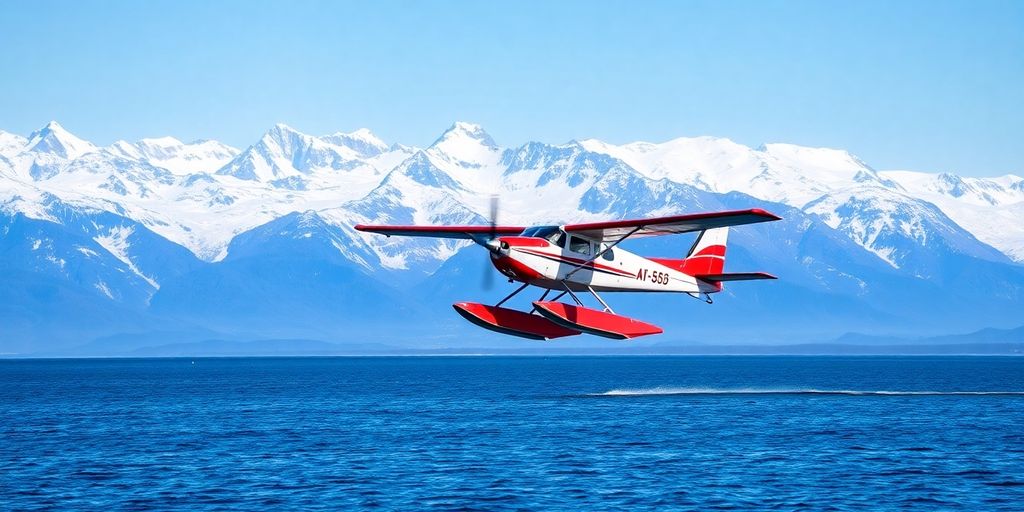
The Alaska Seaplanes flight tracker provides a live view of aircraft in operation. You can see exactly where a plane is at any given moment. This includes its precise geographical location, altitude, and direction of travel. It’s pretty cool to watch a flight progress in real-time, especially when you’re anticipating someone’s arrival or just curious about the routes they take. This is made possible by advanced GPS avionics, ensuring accurate positioning. You can even use this to plan your Juneau seaplane tours!
Viewing Estimated Arrival And Departure Times
Beyond just seeing where a plane is right now, the tracker gives you estimated arrival and departure times. These aren’t just static numbers; they’re constantly updated based on the plane’s current position, speed, and prevailing weather conditions. It’s super helpful for planning your day around a flight, whether you’re picking someone up or heading to the terminal yourself. Keep in mind that these are estimates, and things can change, especially with Alaska’s weather.
Exploring Detailed Flight Path Information
The tracker doesn’t just show you where a plane is; it also lets you see its flight path. This means you can view the route the plane has already taken, as well as the planned route ahead. It’s a great way to understand the journey and appreciate the geography of Southeast Alaska. Plus, it can be really interesting to see how pilots plan their flights to avoid bad weather or take advantage of favorable winds.
The flight path information is particularly useful in Southeast Alaska, where routes can be complex due to the mountainous terrain and numerous islands. Understanding the planned route can give you a better sense of the overall journey and any potential delays.
Decoding The Information On The Flight Tracker
Understanding Different Flight Statuses
Okay, so you’re staring at the Alaska Seaplanes flight tracker and seeing terms like "Scheduled," "En Route," "Delayed," or "Cancelled." What does it all mean? Let’s break it down. "Scheduled" simply means the flight is planned and expected to happen. "En Route" is the one you want to see – it means the plane is actually in the air, heading toward its destination. "Delayed" is pretty self-explanatory; something’s causing the flight to be behind schedule. "Cancelled" is the worst-case scenario, indicating the flight won’t be taking off at all. Keep an eye on the flight status for BL-ADE, as it can change quickly, especially in Alaska’s unpredictable weather.
Identifying The Aircraft Type For Your Journey
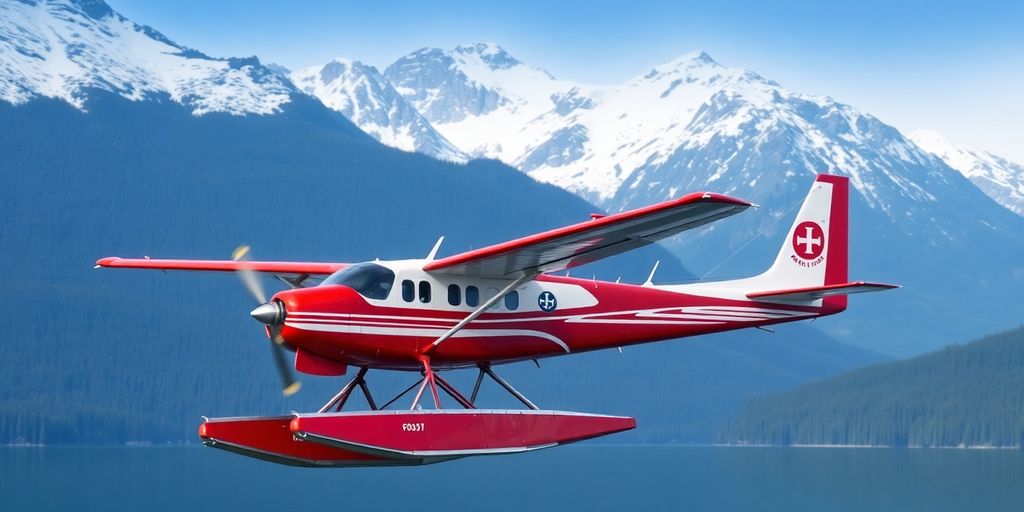
The tracker usually indicates the type of aircraft being used for a specific flight. This is more than just trivia; it can give you a sense of the flight experience. Are you on one of the iconic Dehavilland Beaver floatplanes, or a Cessna Caravan? The Beaver is a classic, known for its ruggedness and floatplane capabilities, perfect for accessing remote areas. The Caravan is a larger, more modern aircraft, often used for longer routes and bigger payloads. Knowing the aircraft type can also help you anticipate the kind of views you’ll get! Heli Alaska also has a fleet of helicopters, and you can learn about their helicopter models on their website.
Interpreting Speed, Heading, And Other Data
Beyond the basic status, the flight tracker provides a wealth of real-time data. Speed is shown in knots (nautical miles per hour), giving you an idea of how fast the plane is moving. Heading indicates the direction the aircraft is traveling, displayed in degrees. Altitude shows how high the plane is above sea level. This data is constantly updated, giving you a dynamic view of the flight’s progress. It’s like having a peek into the cockpit! This information is gathered using advanced GPS avionics, ensuring accurate positioning of the aircraft.
Understanding this data can be really helpful, especially if you’re coordinating pickups or have connecting flights. It gives you a much clearer picture than just relying on scheduled times, which can be affected by weather or other unforeseen circumstances. It’s all about having the most up-to-date information at your fingertips.
The Alaska Seaplanes Fleet You Can Track
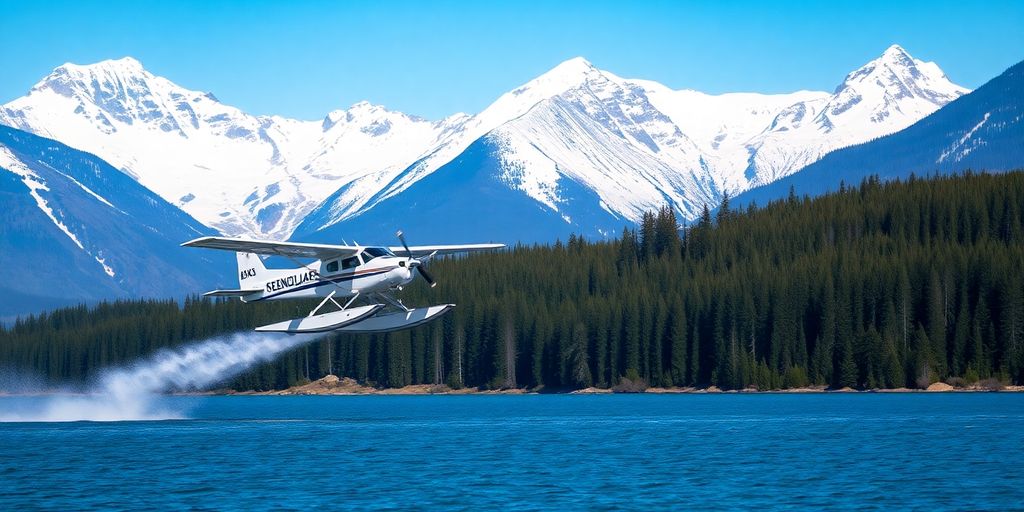
Alaska Seaplanes uses a diverse fleet to serve Southeast Alaska. From iconic floatplanes to versatile wheeled aircraft, understanding the types of planes they use can add to your tracking experience. It’s pretty cool to know what kind of plane you’re watching on the tracker!
The Iconic Dehavilland Beaver Floatplanes
These are the workhorses of the Alaskan skies! The Dehavilland Beaver is a classic floatplane, and it’s perfectly suited for accessing remote areas. These planes are known for their reliability and ability to land on small lakes and waterways. They usually seat around six passengers, making them ideal for smaller groups heading to fishing lodges or remote cabins. It’s a real Alaskan experience to fly in one of these!
The Versatile Cessna Caravan Fleet
The Cessna Caravan is another common sight in the Alaska Seaplanes fleet. These planes are larger and can carry more passengers and cargo than the Beavers. They’re often used for flights to communities with established runways, but some are also equipped with floats. The Caravan is a real workhorse, capable of handling a variety of conditions. You might find yourself on a Cessna Caravan flight if you’re headed to a larger town or a destination that requires more cargo capacity.
Wheeled Aircraft For Runway Landings
Not all destinations in Southeast Alaska are accessible by water. For places with runways, Alaska Seaplanes uses wheeled aircraft like the Cessna 207. These planes provide a comfortable and efficient way to reach communities with airports. If your flight is headed to a town with a runway, you’ll likely be on one of these. It’s all about getting you where you need to go, safely and reliably. You can even book an executive charter for a more personalized experience.
Tracking Flights To Popular Alaskan Destinations
Flights Departing From The Juneau Hub
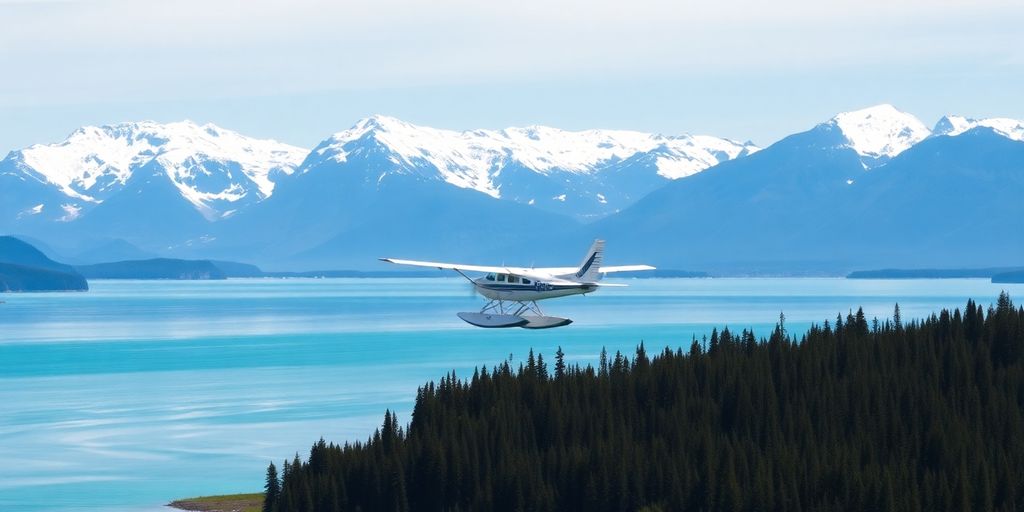
Juneau, as the capital of Alaska, serves as a major hub for Alaska Seaplanes. A lot of flights originate here, connecting it to smaller communities. If you’re planning a trip, the flight tracker is super useful for monitoring departures. You can see if your flight to Gustavus or Haines is on time. It’s also helpful to check for any delays due to weather. I find it especially useful to confirm departures before heading to the terminal, especially during the busy summer months. You can also find flights to Alaska from other hubs.
Monitoring Routes Across The Inside Passage
The Inside Passage is a stunning network of waterways. Alaska Seaplanes provides essential air links between these communities. The flight tracker lets you follow these routes in real-time. You can see the aircraft’s progress as it hops from town to town. This is particularly helpful if you’re meeting someone arriving on a flight. It gives you a good idea of when they’ll actually land. Plus, it’s just cool to watch the plane fly over the beautiful scenery.
Following Journeys To Remote Towns And Lodges
Alaska Seaplanes doesn’t just serve the bigger towns. They also fly to some seriously remote spots. These are often only accessible by air or water. The flight tracker is a lifeline for anyone traveling to or from these areas. It’s how you can keep tabs on flights heading to places like Elfin Cove or Funter Bay. It’s also how lodges coordinate pick-ups. The tracker provides a vital connection to the outside world for these isolated communities. You can even compare Alaska Seaplanes flights to find the best deals.
Living in a remote Alaskan town means you rely on these flights. The flight tracker isn’t just a convenience; it’s how you know when supplies are coming in or when someone’s arriving for a visit. It’s a small thing that makes a big difference in daily life.
Here’s a quick look at some popular destinations and typical flight times from Juneau:
| Destination | Approximate Flight Time | Notes |
|---|---|---|
| Haines | 30 minutes | Scenic views of Lynn Canal |
| Gustavus | 20 minutes | Gateway to Glacier Bay National Park |
| Skagway | 45 minutes | Historic Gold Rush town |
| Elfin Cove | 60 minutes | Popular for fishing and wilderness |
| Hoonah (Pelican) | 40 minutes | Access to remote lodges and cabins |
Using the flight tracker, you can easily monitor these air tours and plan your travel accordingly.
Why A Flight Tracker Is Essential In Southeast Alaska
Southeast Alaska is a unique place to travel. It’s beautiful, but it also presents some serious logistical challenges. That’s where a flight tracker becomes more than just a convenience; it’s a necessity.
Navigating The Region’s Unpredictable Weather
The weather in Southeast Alaska? Let’s just say it keeps you on your toes. It can change in an instant, and that can really mess with flight schedules. Having access to a flight tracker means you can see if your flight is delayed or canceled due to weather, giving you time to adjust your plans. It’s not all sunshine, and being prepared for potential weather delays is key. The U.S. Forest Service in Alaska knows this well, especially for their artist residency program, where participants need to plan for potential weather delays that may affect their return travel from the field weather delays.
Coordinating Logistics For Remote Travel
Many communities in Southeast Alaska are only accessible by plane or boat. This means that flights are a lifeline, and coordinating travel can be tricky. A flight tracker helps you see exactly where your plane is, so you can time your arrival at the dock or coordinate with someone picking you up. It’s about more than just knowing if you’re on time; it’s about making sure everything else lines up too. You can even leave some luggage at Alaska Seaplanes’ bag storage right at the main terminal.
Ensuring A Vital Link For Local Communities
For many small towns in the Inside Passage, Alaska Seaplanes flights are the connection to the outside world. It’s how groceries, mail, and people get in and out. A flight tracker isn’t just for tourists; it’s a tool that helps these communities stay connected. It allows people to know when to expect deliveries, when loved ones are arriving, and generally keeps the flow of life moving in these remote areas. It’s a vital link, and the flight tracker helps monitor routes across the Inside Passage.
Using The Tracker To Plan Your Alaskan Adventure
Confirming Departures Before Heading To The Terminal
Ever get that nagging feeling that something might be off with your flight? The Alaska Seaplanes flight tracker can be your best friend. Before you even think about leaving for the terminal, give the tracker a quick check. It’s way better to find out about a delay from your couch than after you’ve already wrestled your luggage through the airport. Plus, it gives you a chance to adjust your plans, maybe grab an extra coffee, or just chill a bit longer. It’s all about starting your trip stress-free. You can also use the tracker to check for flight schedule changes.
Sharing Live Flight Updates With Family
Let’s face it, family members worry. Especially when you’re flying in Alaska, where the weather can be a bit unpredictable. The flight tracker lets you easily share live updates. Instead of fielding a million texts asking "Are you there yet?", just send them a link to the tracker. They can see exactly where you are, estimated arrival times, and know you’re safe. It’s a small thing that can make a big difference in everyone’s peace of mind. This is especially useful if you’re planning a trip with expert advice.
Timing Your Connections And Pick-Ups
Coordinating travel in Alaska often involves multiple connections, whether it’s another flight, a ferry, or a ride from a lodge. The flight tracker is super helpful for nailing those timings. You can see exactly when your flight is expected to land, giving you a realistic window for your next move. No more guessing games or frantic calls trying to figure out if you’re going to make it. It’s all about smooth transitions and making the most of your Alaskan adventure. If you’re planning a helicopter tour, this is especially important.
Using the flight tracker is a simple way to keep everyone informed and on schedule. It reduces stress and allows you to focus on enjoying the incredible scenery and experiences Alaska has to offer. It’s a small tool that can make a big difference in the overall quality of your trip.
The Technology Behind The Alaska Seaplanes Flight Tracker
Advanced Gps Avionics For Accurate Positioning
Alaska Seaplanes relies on advanced GPS avionics to pinpoint the real-time location of its aircraft. This tech isn’t just your average car GPS; it’s a sophisticated system designed for aviation, providing highly accurate positioning data. This accuracy is vital for safe and efficient flight operations, especially in the challenging terrain of Southeast Alaska. The avionics constantly communicate with a network of satellites, ensuring that the flight tracker displays the most up-to-date information.
How Data Is Transmitted From Air To Ground
Getting the GPS data from the aircraft to your screen involves a complex process. Here’s a simplified breakdown:
- The aircraft’s GPS avionics gather positioning data.
- This data is transmitted via satellite communication systems.
- Ground stations receive the data and process it.
- The processed data is then fed into the Alaska Seaplanes flight tracker, updating the live map.
This entire process happens in near real-time, allowing for continuous tracking. It’s pretty cool how it all comes together, right?
Commitment To Faa Safety And Reliability Standards
Safety is the top priority for Alaska Seaplanes, and that commitment extends to the technology used in its flight tracker. The airline adheres to strict FAA safety and reliability standards in all aspects of its operations, including the avionics and data transmission systems. This means:
- Regular maintenance and inspections of all equipment.
- Redundant systems to ensure data accuracy and availability.
- Continuous monitoring of system performance.
By adhering to these standards, Alaska Seaplanes ensures that the flight tracker provides reliable information, giving passengers and their families peace of mind. It’s all about making sure everyone feels safe and informed.
And it’s not just about the hardware. The pilots are top-notch too, as frequent flyers praise the company for its excellent pilots and friendly staff. The company also uses Automatic Dependent Surveillance–Broadcast (ADS-B), an aviation surveillance technology that enables an aircraft to determine its position via satellite navigation. The aircraft then periodically broadcasts this information, making it visible to air traffic control and other aircraft. This system enhances situational awareness and safety in the airspace.
Tips For A Seamless Tracking Experience
Understanding Potential Data Delays
Okay, so you’re glued to the Alaska Seaplanes flight tracker, waiting for your loved one to land. It’s good to remember that the data isn’t always instant. There can be a bit of a delay, and that’s totally normal. Think of it like this: the plane sends out a signal, that signal has to get picked up, processed, and then displayed on your screen. That takes time. Things like the plane’s location, internet connection, and even the weather can affect how quickly the data updates. So, if the plane seems to be stuck in one spot for a few minutes, don’t panic! It’s probably just a little lag. Just be patient, and the tracker will catch up. If you’re using a flight tracker for business travel, understanding these delays is even more important for coordinating meetings and schedules.
How To Use The Tracker During Weather Events
Southeast Alaska weather? Yeah, it’s unpredictable. When the weather gets a little crazy, the flight tracker can be even more useful, but you need to know how to use it. First off, keep in mind that flights might be delayed or even canceled because of bad weather. The tracker will usually show these delays, but it’s always a good idea to double-check with Alaska Seaplanes directly. The tracker can also help you see if a flight is rerouted to avoid a storm. Pay attention to the flight path; if it’s different from the usual route, that could be why. Also, remember that during bad weather, data updates might be even slower than usual.
When To Contact The Airline Directly
While the flight tracker is super helpful, it’s not a replacement for talking to Alaska Seaplanes. There are times when you just need to pick up the phone or check their website. Here’s when I’d recommend reaching out:
- If the tracker hasn’t updated in a really long time (like, over an hour), and you suspect something’s wrong.
- If you have specific questions about your flight, like baggage allowance or connecting flights.
- If there’s a major weather event, and you want to confirm your flight status.
Basically, use the tracker as your first source of info, but don’t hesitate to contact the airline directly if you need more detailed or up-to-date information. They’re there to help, and they have access to info that the tracker might not show. For example, if you’re trying to book cheap flights and need to confirm details, contacting the airline is a good move.
Getting ready for your adventure should be easy. We’ve made our entire process simple, so you can focus on the incredible Alaskan views waiting for you. Ready for an unforgettable trip? Explore our amazing Alaskan flightseeing tours and book your seat today!
Wrapping Up Your Flight Tracking
So, that’s pretty much everything you need to know about the Alaska Seaplanes flight tracker. It’s a simple tool, but it’s really useful. You can see where your plane is, which is a big deal when you’re trying to coordinate pickups or just feeling a little antsy about your flight. Let’s be real, travel days can be a mess, and flying in Alaska has its own set of surprises, mostly good ones like the views. Having the tracker just takes a little bit of the stress away. It lets you focus more on the exciting parts of your trip, like seeing glaciers from the air, instead of worrying about when your plane will show up. It’s a small piece of the puzzle, but it definitely helps.
Frequently Asked Questions
What exactly is the Alaska Seaplanes flight tracker?
The Alaska Seaplanes flight tracker is a free online tool that shows you where our planes are at any moment. You can see them moving on a live map, which helps you know if a flight is on schedule. You can use it on a computer, tablet, or phone without needing to download an app.
Is the flight tracker free to use?
Yes, the flight tracker is completely free for anyone to use. It’s a public tool provided by the airline to help passengers and their families stay informed. You don’t need a password or ticket number to access the main map.
What information can I find on the tracker?
The tracker gives you a lot of details. You can see the plane’s current location, its altitude, and its speed. It also shows the planned flight path and gives you the estimated times for departure and arrival. This information is updated live as the plane flies.
Why is a flight tracker so important for flying in Alaska?
Weather in Southeast Alaska can be very unpredictable, causing sudden changes to flight schedules. The tracker is essential because it gives you the most current information, helping you plan around delays. It’s a vital link for local communities that depend on our flights for mail, goods, and travel.
Can I track all types of Alaska Seaplanes aircraft?
You can follow our entire fleet! This includes the classic de Havilland Beaver floatplanes that land on water and our versatile Cessna Caravan planes that use runways. If a plane is in the air, you should be able to see it on the tracking map.
How accurate is the flight information on the tracker?
The tracker is very accurate. Our planes are equipped with modern GPS technology that sends position data to the system in almost real-time. There might be a very short delay, usually just a minute or two, between the plane’s actual position and what you see on the screen.
How can I find a specific flight on the map?
The interface is designed to be simple. You can usually find a search option to enter your flight number. Another way is to look for flights between your departure and destination cities. Clicking on a plane icon will often bring up more details about that specific flight.
What should I do if the tracker shows my flight is delayed or canceled?
The tracker is your best source for quick updates. If you see a delay, it’s best to wait for official communication from the airline, which often comes via text or email. If your flight is canceled or you have a tight connection, then it’s a good idea to call Alaska Seaplanes directly for help.