

When you sit down to watch a movie based on a true story, you always wonder how much is real. I recently saw The Great Alaskan Race movie, and it got me thinking about the actual 1925 serum run to Nome. The film shows this intense journey with sled dogs and their mushers facing down a blizzard to deliver medicine. It’s a great story, but it makes you question what parts were changed for the big screen. It’s always interesting to see where Hollywood sticks to the facts and where they decide to add a little extra drama. Let’s break down what was real and what was fiction in the great alaskan race movie.
Key Takeaways
- The movie puts a big spotlight on the dog Togo, showing that he and his musher, Leonhard Seppala, covered the most dangerous part of the journey, a fact often overshadowed by Balto’s fame.
- While the film is centered on Leonhard Seppala, it adds a lot of personal family drama to his story to make the stakes feel higher for the audience.
- The real serum run was a massive relay race involving about 20 mushers and their dog teams, but the film focuses mainly on Seppala’s part to create a central hero.
- For the sake of a good movie, some events were sped up, characters were combined, and extra obstacles were thrown in that didn’t actually happen on the trail.
- The movie does a pretty good job of recreating what Alaska looked like in 1925, paying attention to details in the costumes, sets, and the harsh look of the environment.
The Diphtheria Outbreak: Cinematic Crisis Vs. Historical Reality
How The Film Portrays The Urgency In Nome
Okay, so the movie really cranks up the tension, right? It makes it seem like Nome was seconds away from total disaster. The film shows the town basically collapsing under the weight of the diphtheria outbreak, with people dropping like flies. It’s all very dramatic, with lots of close-ups and worried faces. You get the feeling that every minute counts, and if the serum doesn’t arrive, everyone’s doomed. It’s a classic Hollywood way of telling a story, but how much of that is actually true?
The Real-Life Medical Response To The Epidemic
In reality, the response was urgent, but maybe not quite as frantic as the movie suggests. Dr. Curtis Welch, the town’s only doctor, did diagnose diphtheria and recognized the severity of the situation. He knew his supply of antitoxin was expired and ineffective. He tried to get help by sending radiotelegrams to other towns and even Washington, D.C. Welch’s efforts were definitely heroic, but the movie condenses the timeline a bit. It wasn’t like everyone was immediately infected. There was a quarantine in place, but the threat was very real, especially to the children.
Fact-Checking The Race Against Time For The Antitoxin
Here’s where the movie takes some liberties. The film focuses on the immediate need for the antitoxin, and that’s true. But what it doesn’t show is that even after the first batch arrived, it was a temporary fix. Another, much larger shipment of serum was gathered and delivered later. The movie also shows only two children dying, but in reality, seven children died before the epidemic was lifted. The race against time was real, but the movie simplifies the details for dramatic effect. It’s important to remember that the real story is more complex than what makes it to the screen.
The movie does a good job of showing the basic facts: there was an outbreak, the antitoxin was needed, and a relay of mushers delivered it. But it’s also important to remember that movies are made for entertainment, and sometimes the details get changed to make the story more exciting.
Leonhard Seppala: The Man, The Musher, The Movie’s Protagonist
The movie "The Great Alaskan Race" shines a spotlight on Leonhard Seppala, a figure of legend in the world of dog sled racing. But how does the film’s portrayal stack up against the real man? Let’s take a look at the different facets of Seppala’s life and career, and how they’re presented on screen.
Brian Presley’s Portrayal Compared To The Real Seppala
Brian Presley not only stars as Leonhard Seppala but also wrote, directed, edited, and produced "The Great Alaskan Race." This gives him a lot of control over how Seppala is presented. The film depicts Seppala as a stoic and determined man, driven by a sense of duty and personal loss. But is this an accurate reflection? It’s tough to say for sure, but accounts from the time suggest Seppala was indeed a man of few words, dedicated to his dogs and his work. The movie definitely plays up the emotional side, which is typical for a film like this. It’s interesting to see how Presley embodies the character, trying to capture the essence of a man who was both a local hero and a complex individual.
Seppala’s True Mushing History And Championships
Before the serum run, Leonhard Seppala was already a celebrated musher from the Nome, Alaska area. His career really took off after he started competing in the All Alaska Sweepstakes. He won in 1915, beating the experienced Scotty Allan. This victory is shown as a flashback in the movie. He also won in 1916 and 1917, before the race was stopped until 1983. These wins weren’t just luck; they showed Seppala’s skill, his knowledge of the Alaskan terrain, and his deep connection with his dogs. The film touches on this history, but it’s worth remembering that Seppala’s legacy extends far beyond the serum run.
The Film’s Depiction Of His Personal Motivations
In "The Great Alaskan Race," Seppala’s motivations are tied to his daughter, Sigrid, and the potential loss of other children in Nome. The film suggests that having already experienced loss, he’s driven to save his daughter and others at risk. While the movie adds a layer of emotional depth by focusing on his family, it’s important to remember that Seppala’s decision to participate in the serum run was likely influenced by a combination of factors. He was a responsible member of the community, and he knew the importance of getting the antitoxin to Nome. The film does a good job of showing the personal stakes, but it’s also worth considering the broader context of the situation. The movie also shows Seppala working for the gold-mining company in Nome, and raising Siberian huskies on the side. The movie also shows Togo as his favorite lead dog. It’s interesting how the film blends personal drama with historical events to create a compelling narrative.
Togo’s Heroic Journey: Separating Legend From Cinematic Embellishment
The True Distance And Dangers Faced By Togo
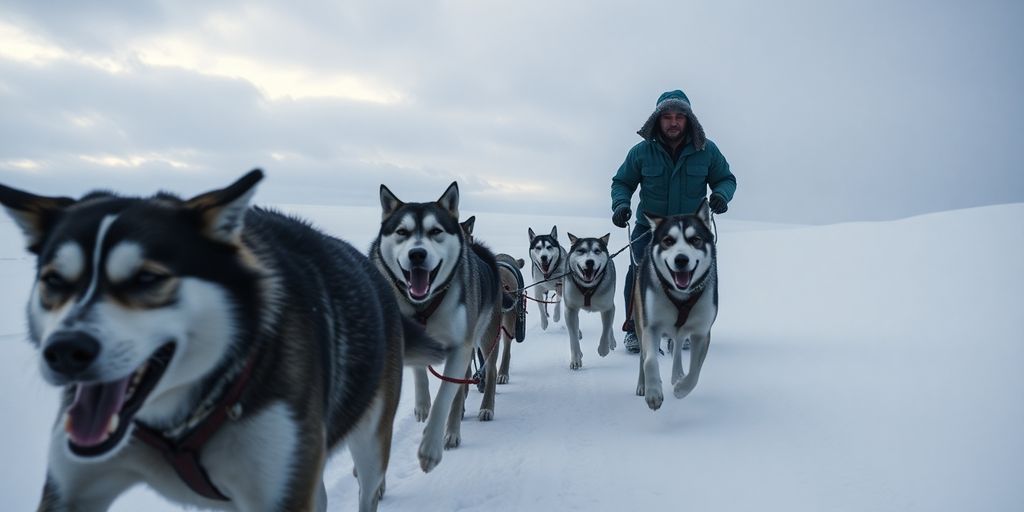
Okay, so, everyone knows about Balto, right? But let’s talk about Togo. The movie does a decent job showing how far he actually ran. Togo’s leg of the journey was way longer and more dangerous than Balto’s. He covered something like 260 miles, including a super risky crossing of Norton Sound. That part in the movie where they’re on the ice, and it’s cracking? Yeah, that really happened. It wasn’t just a little stroll; it was a life-or-death situation. The film shows the perilous weather and Alaskan terrain pretty well, but it’s hard to really capture how intense it must have been.
The On-Screen Bond Between Seppala And His Lead Dog
The connection between Leonhard Seppala and Togo is a big part of the movie, and honestly, it seems pretty accurate. From what I’ve read, they were super tight. Togo wasn’t just a dog; he was Seppala’s partner. The movie shows their bond through all the challenges they face, and it makes you really feel for them. It’s not just about getting the serum to Nome; it’s about their relationship and how much they trusted each other. The film really nails the emotional connection between them. It’s cool to see how the movie aims to correct the historical narrative by focusing on their partnership.
Historical Recognition Of Togo’s Critical Role
It’s kind of a bummer that Togo didn’t get the same recognition as Balto back in the day. But, thankfully, things are changing. People are starting to realize just how important Togo was to the serum run. Without Togo, there’s a good chance the serum wouldn’t have made it to Nome in time. The movie definitely helps shine a light on his contribution, and it’s about time. It’s not about taking anything away from Balto, but giving Togo the credit he deserves. You can even find people trying to trace their dogs’ lineage back to Togo. It’s a testament to his legacy. The story of sled dogs Togo and Balto is a great one.
Togo’s story is a reminder that sometimes the real heroes don’t get the spotlight they deserve. It’s awesome that the movie is helping to change that and show everyone just how amazing this dog really was.
A Story Of Family And Loss: The Emotional Core Of The Film
The Factual Basis For Seppala’s Family Tragedy
Okay, so, the movie touches on some pretty heavy stuff regarding Seppala’s personal life. It’s not just about dogs and medicine; there’s a real human element there. The film hints at the loss of his wife and the impact it had on him and his daughter. I did some digging, and while the movie might take some artistic liberties, the core of the tragedy is rooted in reality. It definitely adds another layer to his character and explains why he’s so driven.
How Personal Stakes Drive The Narrative On Screen
What I found interesting is how the film uses Seppala’s personal stakes to really amp up the tension. It’s not just about saving Nome; it’s about saving his daughter, Sigrid. This makes the whole serum run feel way more personal. You can see how the potential loss of his daughter fuels his determination. It’s a classic storytelling trick, but it works. It makes you care more about whether or not he succeeds. The film does a good job of showing how much he has already lost, and how much more is at stake. It’s a lot more than just delivering the serum.
Examining The Accuracy Of The Seppala Family Dynamics
Alright, let’s talk about the family dynamics. The movie portrays a close, but strained, relationship between Seppala and his daughter. She’s spunky, he’s stoic, and there’s definitely some unresolved grief hanging in the air. How accurate is this? Well, it’s hard to say for sure. Historical records don’t exactly give you a play-by-play of their daily interactions. But, the film seems to capture the essence of a father-daughter relationship struggling to cope with loss. It’s not perfect, but it adds a lot of emotional weight to the story. It’s a good way to show the heroic storytelling of the film.
The Great Serum Run Logistics: How The Movie Depicts The Relay
The True Nature Of The Multi-Musher Relay System
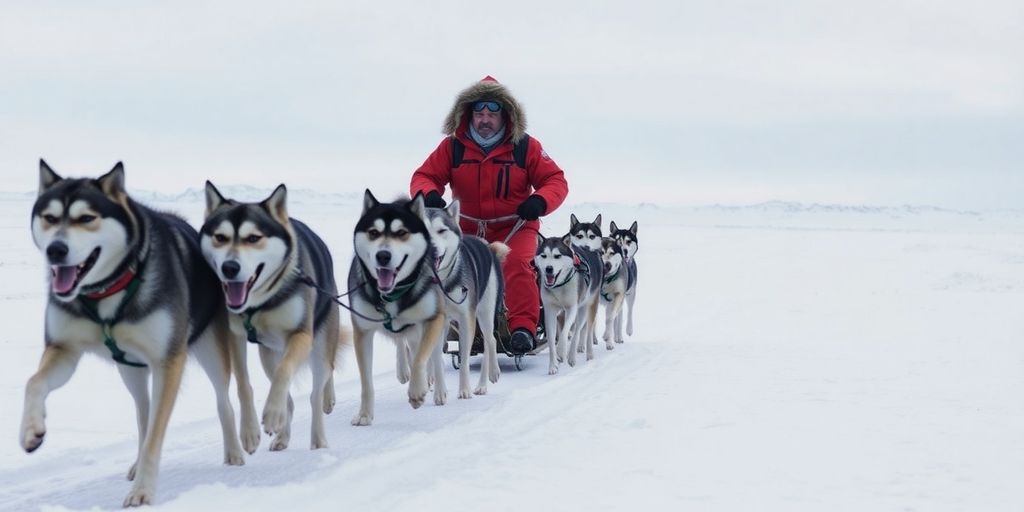
The 1925 serum run wasn’t just one guy and his dogs making a mad dash. It was a carefully planned relay, involving multiple mushers and their dog teams. The goal? To get the antitoxin to Nome as fast as humanly possible. Each musher covered a specific leg of the journey, handing off the serum to the next in line.
- The serum traveled by train from Anchorage to Nenana.
- From Nenana, 20 mushers relayed the serum 674 miles to Nome.
- This system ensured that both dogs and drivers could push their limits without complete exhaustion.
The real serum run was a testament to community cooperation and the resilience of Alaskans. It wasn’t about individual glory, but about everyone doing their part to save lives.
The Film’s Intense Focus On Seppala’s Contribution
While the movie understandably focuses on Leonhard Seppala and his lead dog Togo, it’s important to remember that they were just one part of a larger team. The film tends to highlight Seppala’s role, which can overshadow the contributions of the other mushers. Seppala and his team traveled a significant portion of the journey, about 340 miles roundtrip, but the other mushers also faced harsh conditions and played critical roles in the relay. It’s a tough balance to strike in a movie – telling a compelling story while also acknowledging the full scope of the event. The movie aims to correct the historical narrative.
Recreating The Perilous Weather And Alaskan Terrain
One thing the movie gets right is the brutal Alaskan weather. We’re talking sub-zero temperatures, gale-force winds, and blinding blizzards. The terrain was no joke either – treacherous ice, steep mountain passes, and long stretches of wilderness. The film does a pretty good job of showing just how dangerous the journey was. Seppala and his team faced temperatures around -30°F, with wind chills making it feel like -85°F. The cinematography and the challenge of capturing the Alaskan wilderness really help to convey the peril. The film accurately portrays the harsh conditions faced by the mushers and their dogs.
Supporting Characters: Fact-Checking The Roles Of Dr. Welch And Others
The Historical Accuracy Of Dr. Curtis Welch’s Efforts
Dr. Curtis Welch was a real person, and the film does try to show his role in recognizing the severity of the diphtheria outbreak. He really did send the urgent request for antitoxin that triggered the serum run. However, movies often simplify things. It’s worth checking how the film portrays the specifics of his communication and the resources he had available against historical records to see how accurate it is.
The Character Of Nurse Constance: History Vs. Hollywood
The movie includes a character named Nurse Constance, and it’s important to know if she was a real person or a composite character. Sometimes, films combine several people into one for storytelling purposes. In "The Great Alaskan Race," Constance is portrayed as Dr. Welch’s daughter and later becomes Seppala’s second wife. According to some sources, Seppala’s wife was actually named Constance, but the film also introduces a fictional character named Kiana. It’s interesting to see how the film uses her character to add emotional depth or drive the narrative, and how that compares to the actual historical accounts.
Portrayal Of The Wider Nome Community’s Response
The film likely shows the community of Nome reacting to the crisis, but how accurate is that portrayal? Did the movie get the community’s spirit right? Did they show the real challenges people faced? It’s easy for movies to focus on a few main characters and miss the bigger picture. It’s worth looking into how the film depicts the Nome community’s response compared to what historians say about the event.
Movies often take liberties with historical events to make them more dramatic or engaging. It’s up to us to look at the real stories behind the film and see what’s fact and what’s fiction. By doing that, we can get a better understanding of what really happened during the serum run to Nome and appreciate the courage and determination of everyone involved.
Cinematic Liberties Taken In The Great Alaskan Race Movie
Condensed Timelines And Composite Characters For Drama
Okay, so, movies based on true stories? They always play around with the timeline. "The Great Alaskan Race" is no different. Events that happened over weeks get compressed into days to keep the pace up. It’s not a documentary, after all. Plus, sometimes they mash a couple of real people into one character to make things simpler. It’s all about streamlining the story for the screen. It’s a common practice, but it does mean you’re not getting a 100% accurate history lesson. You can still book an executive charter to see the real Alaskan landscape.
Fictional Obstacles And Heightened Dangers On The Trail
To make the movie more exciting, they definitely cranked up the danger factor. The real serum run was already risky, but the film adds extra obstacles. Think of it like this: the filmmakers needed to keep the audience on the edge of their seats. So, they threw in some fictional blizzards, maybe a crevasse or two, and probably made the wolves extra menacing. It’s Hollywood, baby! It’s all about upping the stakes. The film’s message of courage is wrapped in beautiful cinematography.
Emotional Arcs And Dialogue Created For The Screen
Let’s be real, we don’t have transcripts of what Leonhard Seppala said to Togo out on that trail. The emotional stuff? The heart-to-heart talks? That’s mostly made up. The writers create dialogue and emotional arcs to connect with the audience. They want you to feel what Seppala was going through. It’s not about historical accuracy; it’s about making a compelling story. It’s why Brian Presley wrote, directed, and starred in the film.
Movies need drama, right? So, they take some liberties. They add stuff to make it more exciting, more emotional. It’s not always what really happened, but it makes for a better story, or at least, that’s the idea. It’s a balancing act between truth and entertainment.
The Tale Of Two Dogs: Why The Film Downplays Balto’s Fame
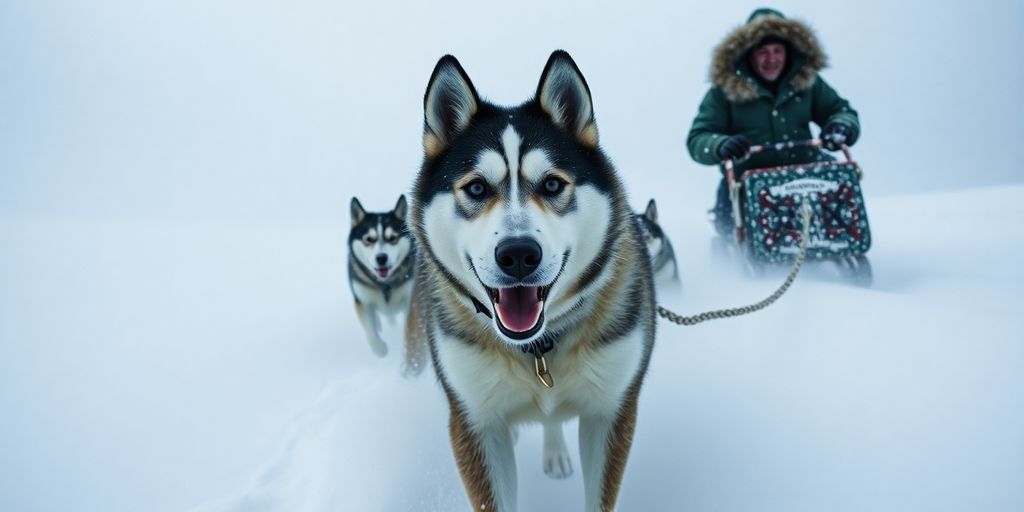
The story of the 1925 serum run to Nome is often simplified, focusing primarily on Balto. However, "The Great Alaskan Race" movie attempts to provide a more nuanced view, acknowledging the contributions of other dogs, especially Togo. This section explores why Balto achieved greater fame and how the film addresses this historical imbalance.
The Historical Role Of Gunnar Kaasen And Balto
Gunnar Kaasen and Balto completed the final leg of the journey, arriving in Nome with the serum. This is a fact. Balto, a Siberian Husky, became an instant celebrity. The press focused on their arrival, cementing Balto’s place in history. This final stretch, while important, was only a small portion of the total distance covered. It’s easy to see why the image of the final team arriving with the life-saving medicine captured the public’s imagination, but it also overshadowed the efforts of others.
How The Movie Aims To Correct The Historical Narrative
The film seeks to provide a more complete picture of the serum run, highlighting the contributions of Leonhard Seppala and his lead dog, Togo. By focusing on Seppala’s journey and the challenges he faced, the movie aims to show that the serum run was a team effort, and that Balto’s fame, while deserved to some extent, came at the expense of recognizing the other dogs and mushers involved. The movie doesn’t ignore Balto, but it places his role in a broader context.
Comparing The Legacies Of Togo And Balto
Balto’s legacy is largely built on the final leg of the journey and the immediate media attention he received. He has a statue in Central Park and inspired an animated movie. Togo, on the other hand, completed the longest and most dangerous part of the journey. Despite this, he didn’t receive the same level of recognition during his lifetime. The movie aims to re-evaluate their legacies, giving Togo the credit he deserves. It’s a story about how history remembers its heroes, and how sometimes, the loudest voices aren’t always the ones who did the most. It’s worth noting that Balto was a Siberian Husky owned by Leonhard Seppala, who felt he wasn’t good enough to be on his own team for the Serum Run.
It’s a complex situation. Balto became a symbol of hope and courage, but Togo’s contribution was arguably more significant. The film tries to balance these perspectives, acknowledging Balto’s role while shining a light on Togo’s often-overlooked heroism.
Recreating 1925 Alaska: The Film’s Visual Authenticity
It’s always interesting to see how movies try to bring history to life. When it comes to "The Great Alaskan Race," a big question is: how well did they recreate Alaska in 1925? Did they nail the look and feel of the time, or did they take too many liberties?
An Analysis Of The Period-Specific Costumes And Sets
Getting the costumes and sets right is super important for a period piece. In this movie, they seem to have put in the effort. The clothing looks like it fits the era, and the sets give off that early 20th-century Alaskan vibe. It’s the little details, like the types of fabrics used and the way buildings are constructed, that can really make or break the illusion. I think they did a pretty good job of making it believable. It’s not perfect, but it’s clear they tried to be accurate.
Cinematography And The Challenge Of Capturing The Alaskan Wilderness
Alaska’s wilderness is a character in itself. Capturing that on film is no easy task. The cinematography in "The Great Alaskan Race" does a decent job of showing the vastness and harshness of the landscape. The snowy expanses and the way they filmed the dog sled teams really help you feel like you’re there. The lighting and camera angles play a big role in conveying the isolation and danger of the journey. It’s not always stunning, but it gets the job done.
Filming Locations That Stood In For Historic Nome
Finding the right locations to stand in for Nome back in 1925 must have been tough. They probably couldn’t film in the actual Nome because it’s changed so much over the years. So, they had to find other places that still had that old-timey Alaskan feel. I’m not sure exactly where they filmed, but the locations they used definitely helped create the atmosphere. It’s all about finding spots that haven’t been too modernized and still have that historical accuracy.
It’s interesting how much effort goes into making a movie look authentic. From the costumes to the locations, every detail is carefully chosen to transport the audience back in time. While "The Great Alaskan Race" might not be a perfect recreation, it’s clear that they put in the work to make it believable.
To make the movie feel real, the creators worked hard to show what Alaska looked like back in 1925. They studied old pictures to get every detail right. The amazing landscapes you see aren’t just for the screen. You can experience the same incredible views from above on one of our helicopter flightseeing tours.
Wrapping It Up
So, when you sit down to watch ‘The Great Alaskan Race,’ you’re getting a Hollywood version of a true story. They definitely changed some things, like how they showed certain characters or maybe combined a few events to make the movie flow better. But that’s pretty normal for films like this. The main thing is, the heart of the story is totally real. Leonhard Seppala and his lead dog, Togo, along with all the other mushers and their teams, were incredibly brave. They faced some seriously harsh Alaskan weather to save a town. The movie gets that part right. In the end, it’s a film that tells a heroic story, and if it gets you curious about the real 1925 serum run, then I’d say it did its job pretty well.
Frequently Asked Questions
Was the sickness in Nome really as bad as the movie shows?
Yes, the diphtheria outbreak in Nome was a genuine and terrifying crisis. In the winter of 1925, the town was hit by the deadly disease, and their supply of antitoxin, the only cure, had expired. With a brutal winter storm making it impossible for planes to fly, the town was completely isolated. The movie accurately captures the feeling of desperation and the race against time to save the children.
Is the main character, Leonhard Seppala, based on a real person?
He certainly was. Leonhard Seppala was a real person and a legendary dog musher, originally from Norway, who became famous in Alaska for his skill. The film centers on him because he was a key figure in the real-life serum run. His personal story, including the tragic loss of his wife, is also based on historical facts, giving the movie a strong emotional foundation.
Did Seppala’s lead dog, Togo, really run the most difficult part of the race?
Togo’s journey was even more incredible than you might think! He led Seppala’s team across 264 miles, the longest and by far the most dangerous portion of the entire relay. They faced blinding blizzards, extreme sub-zero temperatures, and treacherous ice on the Norton Sound. The movie makes a point to highlight Togo’s strength and endurance, as his role was largely overlooked for many years.
Did Seppala and his dogs make the entire trip alone?
While the movie focuses heavily on Seppala, the real Great Serum Run was a massive team effort. It was a relay that involved 20 different mushers and more than 150 sled dogs. Together, they covered the 674-mile trail to deliver the medicine. Seppala and Togo were heroes for handling the most perilous leg, but the success of the mission depended on every single team doing their part.
I’ve heard of the dog Balto. Why does this movie focus on Togo instead?
This is a key part of the story! Balto was the lead dog on the team that ran the final, 55-mile leg into Nome. Because he was on the team that finished the relay, he and his musher, Gunnar Kaasen, became instant celebrities. For decades, Togo’s much longer and more difficult journey was not widely known. ‘The Great Alaskan Race’ aims to correct the historical record by showing that Togo was the true canine hero of the serum run.
Is everything that happens in ‘The Great Alaskan Race’ 100% accurate?
Most movies based on true stories change a few things to make the film more dramatic, and this one is no exception. While the main story of the outbreak and the serum run is true, the filmmakers took some creative liberties. This might include creating composite characters, condensing the timeline of events, or adding fictional obstacles to heighten the tension on the trail.
Was Seppala’s daughter actually sick during the real event?
In the film, Leonhard Seppala is driven to undertake the dangerous journey because his own daughter, Sigrid, is at risk of catching diphtheria. This is based on fact. Seppala did have a daughter, and the threat to her and the other children of Nome was very real. This personal stake helps the audience understand the immense pressure and motivation behind his heroic actions.
How accurate are the costumes and scenery in the movie?
The movie’s creators put in a lot of effort to make the setting look and feel like 1920s Alaska. They studied old photographs to get the details right on the clothing, buildings, and dog sleds. While it wasn’t filmed in the actual town of Nome, the chosen locations effectively capture the harsh, beautiful, and unforgiving Alaskan wilderness that the mushers had to battle through.