

Alaska is a huge place with lots of different weather, and it changes fast. Knowing what to expect for weather of Alaska can really help you plan your trip. This article will help you understand the different climates across the state, from chilly winters to surprisingly warm summers, so you can pack smart and have a great time.
Key Takeaways
- Alaska’s weather changes a lot depending on where you are and what time of year it is.
- Winters are cold and snowy, but you might see the Northern Lights.
- Summers can be warm, but rain is always possible, especially on the coast.
- Even in summer, temperatures can drop below freezing overnight in places like Denali.
- Always pack layers and waterproof clothes, no matter the season, to be ready for anything Alaska’s weather throws at you.
Understanding Alaska’s Diverse Climate
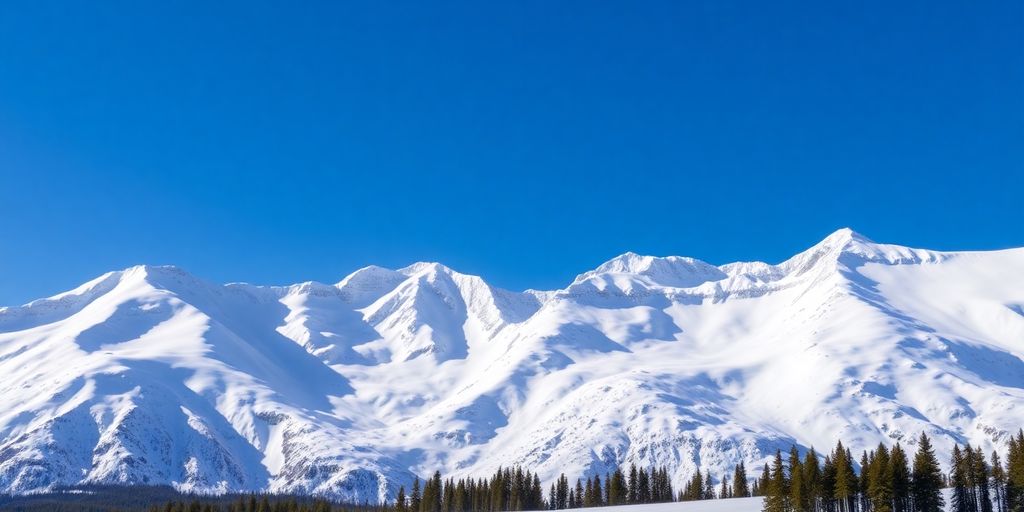
Alaska’s weather? It’s complicated. Seriously, trying to pin it down is like trying to herd cats. The sheer size of the state, combined with its varied geography, means you can experience everything from mild coastal climates to harsh arctic conditions all within its borders. It’s not just about being cold; it’s about understanding the nuances of each region.
Seasonal Weather Variations
Alaska’s seasons are pretty distinct, and they each bring their own set of weather quirks. Winter is long and dark, with temperatures often plummeting way below freezing. Summer, on the other hand, is short and sweet, with long daylight hours and surprisingly warm temperatures in some areas. Spring and fall are transition periods, and they can be pretty unpredictable. You might get a week of sunshine in October, followed by a blizzard the next day. It’s all part of the Alaskan adventure. Understanding these seasonal changes is key to planning your trip.
Regional Climate Differences
Okay, so Alaska isn’t just one big block of ice. The southeast panhandle, for example, gets a ton of rain because it’s basically a coastal rainforest. Anchorage and south-central Alaska have a milder climate, thanks to the ocean. Interior Alaska? That’s where you’ll find the most extreme temperature swings. And then there’s the Arctic, which is cold and dry pretty much year-round. These regional differences are huge, and they affect everything from the vegetation to the wildlife to what you should pack in your suitcase.
The Impact of Geography on Weather
Geography plays a massive role in shaping Alaska’s weather. The mountains act as barriers, blocking moisture and creating rain shadows. The coastline moderates temperatures, while the interior experiences more extreme conditions. Permafrost, which is permanently frozen ground, affects drainage and can lead to some interesting landscape features. Even small changes in elevation can have a big impact on local weather patterns. It’s all interconnected, and it’s what makes Alaska’s weather so fascinating. The state’s diverse geography includes vast forests, mountains, and a long coastline, with significant permafrost in the north.
Honestly, trying to predict the weather here is a fool’s errand. You just have to be prepared for anything and everything. That’s part of the fun, right?
Winter Weather in Alaska
Average Winter Temperatures
Winter in Alaska is no joke. When people think of Alaska, they often picture snow and ice, and for good reason. The average winter temperatures really depend on where you are. Interior Alaska, like Fairbanks, can see temperatures plummet to -20°F or even lower. Coastal areas, such as Anchorage, tend to be milder, but still pretty chilly, with averages hovering around 20°F. It’s a big state, so pack accordingly!
Here’s a quick look at average January temperatures:
| City | Average Temperature (°F) |
|---|---|
| Fairbanks | -10 to -20 |
| Anchorage | 15 to 25 |
| Juneau | 20 to 30 |
Snowfall and Ice Conditions
Snowfall is a major part of Alaskan winters. Some areas get a ton of snow. The amount of snowfall varies widely. Southcentral Alaska, including Anchorage, usually sees a good amount of snow, but some winters can be surprisingly dry, like the low snowfall experienced in Southcentral Alaska last winter. Other regions, especially in the mountains, can get buried under feet of snow. Ice is also a big factor, especially on roads and waterways. Be prepared for icy conditions, no matter where you are. If you’re planning any winter activities, make sure you have the right gear and know what you’re doing.
Experiencing the Northern Lights
One of the biggest draws of Alaskan winters is the chance to see the Northern Lights, or Aurora Borealis. The long, dark nights provide the perfect backdrop for this incredible natural phenomenon. To see them, you need a clear, dark sky away from city lights. Interior Alaska is one of the best places to view the lights. The best time to see them is generally between September and April. Keep an eye on the aurora forecast, and get ready for a magical experience. It’s something you won’t forget. If you’re lucky, you might even catch them dancing over the Eklutna Valley Tour.
Seeing the Northern Lights is a bucket-list item for many, and Alaska in winter is a prime location to witness this spectacle. The combination of dark skies and clear nights creates ideal viewing conditions. Remember to dress warmly, bring a thermos of hot cocoa, and prepare to be amazed by the ethereal dance of light across the sky.
Summer Weather in Alaska
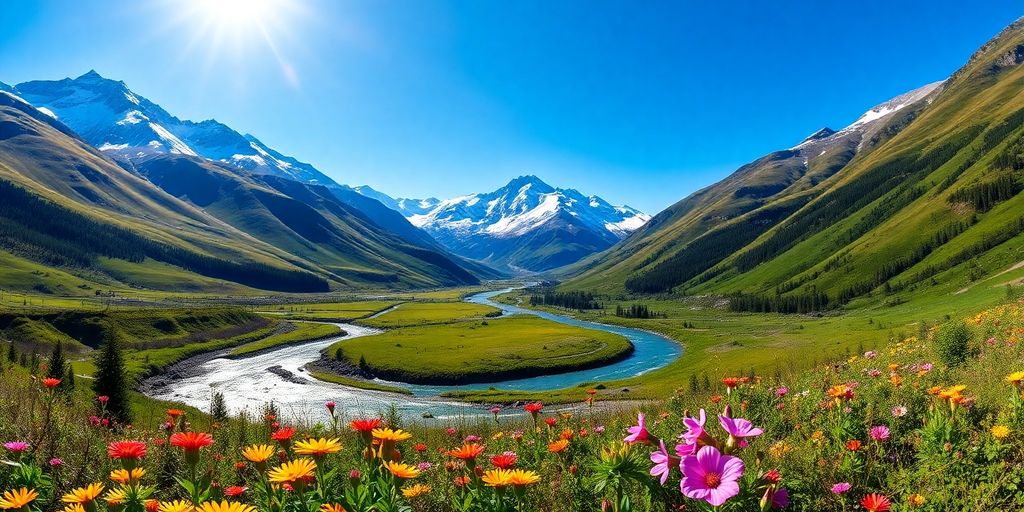
Summer in Alaska? It’s a real treat, honestly. After a long winter, everyone’s ready to soak up some sun. But what’s it really like?
Peak Summer Temperatures
Okay, let’s be real – you’re not coming to Alaska for a tropical getaway. But, summer can be surprisingly pleasant. July is usually the warmest month, with average daytime temperatures hovering in the 60s. Sometimes, you might even see a day or two pushing into the 70s, especially in the Interior. Don’t expect scorching heat, but it’s definitely warm enough to ditch the heavy winter gear. I remember one summer where it was so warm, I actually went swimming in a lake…briefly!
Daylight Hours and Warmth
One of the coolest things about summer in Alaska is the crazy amount of daylight. We’re talking almost 24 hours of sun in some places! It’s wild. This means you’ve got tons of time for hiking, fishing, or just exploring. The sun barely dips below the horizon, and it gives everything this really cool, golden glow. It’s hard to describe, but it makes everything feel magical. Just remember to bring a sleep mask, or you might find it hard to get some shuteye. The long days really do make the warmth last longer, too. It’s not just about the temperature; it’s about the sun constantly pumping energy into the land. If you are looking for a helicopter tour near Anchorage, summer is the perfect time to book one.
Rainfall During Summer Months
Alright, here’s the deal: Alaska is still Alaska. Rain is always a possibility, even in the summer. Southcentral and coastal areas tend to get more rain than the Interior. It’s not usually torrential downpours, but more like drizzle or light showers. Honestly, it keeps everything green and lush. Just pack a light rain jacket, and you’ll be fine. I’ve learned to embrace the rain; it’s just part of the Alaskan experience. Plus, sometimes you get these incredible rainbows after a shower. It’s all part of the adventure. The forecast for early June shows that rain is still a possibility, so be prepared!
Denali and Interior Alaska Weather
Alaska’s Interior, home to Denali, has some serious weather swings. You can be sweating one minute and shivering the next. It’s all part of the adventure, right?
Temperature Swings in Denali
Denali’s weather is no joke. Temperatures can change dramatically in a single day, especially because of the elevation changes. You might start with a pleasant morning and end up dealing with freezing conditions by afternoon. It’s not unusual to see a 40-degree shift, so layering is key. The park’s diverse environment is something to behold.
Summer Conditions in the Interior
Summer in the Interior is short but sweet. Expect average highs in the 50s and 60s, but don’t be surprised if it hits 80 or even 90 on a hot day. However, those warm days don’t last forever. The average air temperatures have been on the rise, which is something to keep in mind.
- Long daylight hours are great for exploring.
- Bugs can be intense, so bring repellent.
- Rain gear is a must, even if the forecast looks clear.
Overnight Freezing Potential
Even in the peak of summer, overnight temperatures can dip below freezing. This is especially true at higher elevations or if a cold front moves through. If you’re camping, make sure your sleeping bag is rated for freezing temperatures. It’s better to be safe than sorry. You might even see some snowfall and ice conditions even in the summer months.
I remember one time I was hiking in Denali, and it was sunny and 70 degrees during the day. By night, it was snowing, and the temperature had dropped to 25. I was so glad I had packed extra layers! It’s just part of the experience, I guess. Always be prepared for anything.
Southcentral Coastal Weather
Coastal Rainforest Climates
Southcentral Alaska’s coast is characterized by a temperate rainforest climate. This means you can expect a lot of precipitation throughout the year. The proximity to the ocean keeps temperatures relatively mild, but it also contributes to high humidity and frequent cloud cover. Expect lush vegetation and a landscape that’s consistently damp.
- High annual rainfall
- Moderate temperatures year-round
- Frequent fog and cloud cover
The coastal areas are significantly wetter than the interior, so pack accordingly. Waterproof gear is a must, and be prepared for rapidly changing conditions. It’s not uncommon to experience sunshine and rain within the same hour.
Mountain Range Weather Patterns
The Chugach and Kenai mountain ranges significantly influence the weather in Southcentral Alaska. These mountains create orographic lift, forcing air to rise, cool, and release moisture as precipitation. This results in even higher precipitation levels on the windward sides of the mountains. The leeward sides, however, experience a rain shadow effect, with drier conditions. You might want to check out some flightseeing tours to get a better view of the mountain ranges.
- Orographic lift causes increased precipitation.
- Rain shadow effect on leeward sides.
- Higher elevations experience colder temperatures and snow.
Peak Season for Coastal Activities
Despite the potential for rain, the peak season for coastal activities in Southcentral Alaska is during the summer months (June, July, and August). Temperatures are generally mild, and daylight hours are long, making it ideal for hiking, fishing, and wildlife viewing. However, it’s important to remember that the weather can change quickly, so it’s always a good idea to be prepared for all conditions. Keep in mind that Southcentral Alaska is experiencing wet and windy weather, so pack accordingly.
- Long daylight hours.
- Mild temperatures.
- Increased tourism and activity options.
| Month | Avg. Temperature (°F) | Avg. Rainfall (inches) |
|---|---|---|
| June | 55-65 | 3-5 |
| July | 60-70 | 4-6 |
| August | 55-65 | 5-7 |
It’s also worth noting that a Small Craft Advisory might be in effect, so check the marine forecast before heading out on the water.
Fall Weather in Alaska
Unpredictable Autumn Conditions
Fall in Alaska? Think of it as a weather grab bag. You might get sunshine, rain, fog, wind, or even snow – sometimes all in the same day! It’s a season of transition, where summer’s warmth gives way to winter’s chill. The key is to be prepared for anything.
Benefits of Visiting in Fall
Okay, so the weather’s a bit wild. But visiting Alaska in the fall has some serious perks:
- Fewer crowds: Say goodbye to the summer rush.
- Cost savings: Many tours and accommodations offer lower rates.
- Wildlife viewing: It’s a great time to spot migrating animals.
Fall is a sweet spot. You get the beauty of Alaska without the peak season prices or hordes of tourists. Plus, the chance of seeing the Northern Lights starts to increase. It’s a win-win, if you pack right.
Autumn Colors and Shorter Days
One of the biggest draws of fall in Alaska is the incredible display of autumn colors. The tundra turns into a sea of red, orange, and gold. And with shorter days, you’ve got a better chance of catching the Northern Lights. Just remember to pack a sleep mask to block out any lingering daylight if you’re sensitive to light while sleeping. The average September temperatures are pretty mild, but October can get pretty cold.
| Month | Average Temperature Range (°F) | Precipitation (inches) |
|---|---|---|
| Sept | 40s-50s | Moderate |
| October | 28-40 | High |
Keep in mind that coastal areas might experience more rain than inland regions during this time.
Preparing for Alaska’s Weather
Alaska’s weather is famously unpredictable, and being ready for anything is key to a great trip. I’ve learned that the hard way on more than one occasion! It’s not just about packing warm clothes; it’s about packing smart.
Importance of Layered Clothing
Layering is absolutely essential in Alaska. You might start the day with sunshine and end it in a downpour, or experience both within the same hour. The key is to have clothes you can easily add or remove to stay comfortable. Think of it like building a weather-resistant onion – each layer serves a purpose. Start with a base that wicks away moisture, add insulation, and top it off with a waterproof shell. This way, you can adapt to whatever Mother Nature throws your way. Don’t forget that Heli Alaska, Inc., is an Alaskan veteran and family-owned company.
Essential Gear for All Seasons
No matter when you visit, there are a few items that should always be in your bag:
- Waterproof Boots: Essential for hiking and exploring, especially in coastal areas.
- Warm Hat and Gloves: Even in summer, evenings can get chilly.
- Sunglasses and Sunscreen: The sun can be surprisingly intense, especially reflecting off snow or water.
- Insect Repellent: Mosquitoes can be fierce, especially during the summer months.
I remember one trip where I forgot my gloves. I thought, "It’s July, I’ll be fine!" Wrong. My hands were numb within an hour of being on a glacier. Lesson learned: always pack gloves, no matter the season.
Waterproof Attire for Coastal Areas
If you’re heading to Southcentral or Southeast Alaska, waterproof gear is non-negotiable. These areas are basically coastal rainforests, and rain is a frequent visitor. A good Alaska vacation requires waterproof jacket and pants will keep you dry and comfortable, allowing you to enjoy the stunning scenery without being miserable. Look for gear with a high waterproof rating and taped seams for maximum protection. Trust me, being soaked to the bone is no fun, especially when you’re trying to admire a glacier or spot a whale.
Packing Essentials for Your Trip
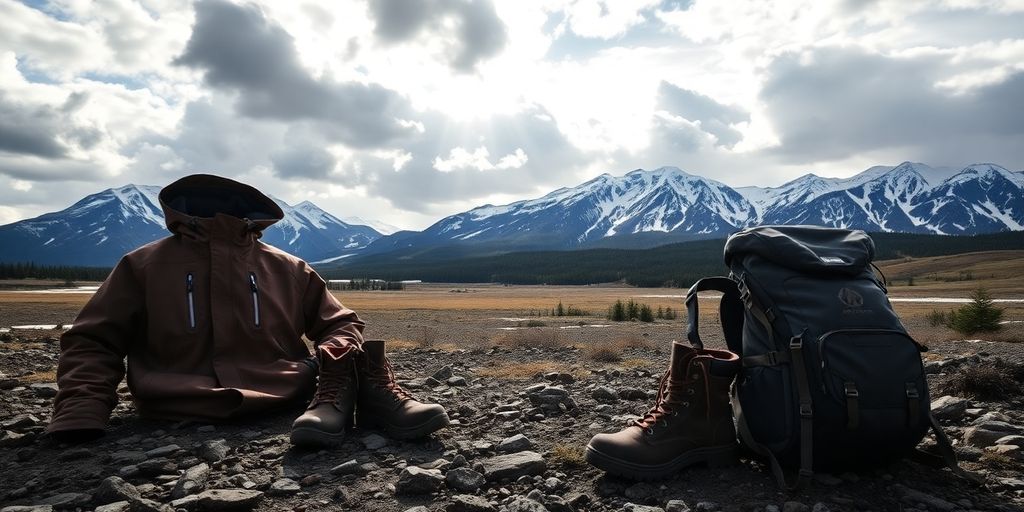
Packing for Alaska can feel like preparing for multiple vacations in one! The key is versatility and adaptability. You might experience sunshine, rain, and even snow, all in a single day. Here’s a breakdown of what to bring to make the most of your Alaskan adventure.
Warm Under-Layers and Wool Socks
Start with a solid base. Thermal under-layers that wick away moisture are a must. Think long-sleeved shirts and leggings made from merino wool or synthetic materials. And don’t skimp on the socks! Wool socks are your best friend, providing warmth even when wet. Pack several pairs to keep your feet cozy during hikes or glacier cruises. These essential items will keep you comfortable no matter the weather.
Fleece and Weatherproof Outerwear
Fleece pullovers or jackets are perfect for adding an extra layer of warmth. They’re lightweight, packable, and quick-drying. Your outerwear should be weatherproof, meaning it can handle rain, wind, and even a bit of snow. A good quality rain jacket with a hood is non-negotiable, especially if you plan on spending time near the coast. Weatherproof pants are also a great idea for hiking or exploring.
Sun Protection and Sleep Masks
Even though Alaska is known for its cooler temperatures, the sun can be surprisingly intense, especially during the summer months. Pack sunscreen with a high SPF, sunglasses to protect your eyes, and a hat with a brim to shield your face. And because of the long daylight hours, a sleep mask can be a lifesaver for getting a good night’s rest. Don’t forget to pack a multi-purpose scarf for added protection.
Layering is absolutely essential. Think of it like building a weather-resistant outfit that you can adjust throughout the day. Start with your base layers, add insulation with fleece or a sweater, and top it off with your waterproof outerwear. This way, you can easily adapt to changing conditions and stay comfortable no matter what Alaska throws your way.
Navigating Alaska’s Weather Challenges
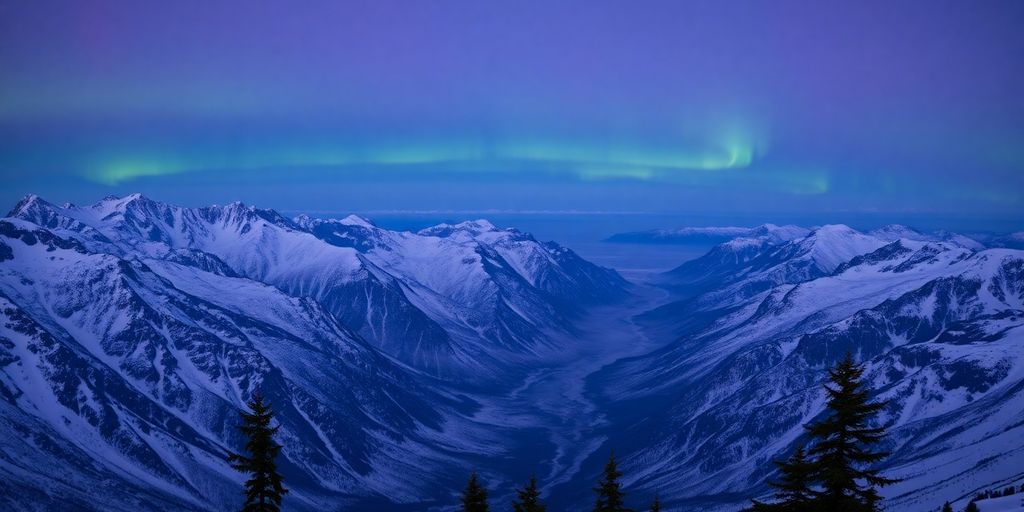
Adapting to Rapid Weather Changes
Okay, so you’re in Alaska, ready for adventure. One thing you gotta know? The weather here is like a toddler with a mood ring. It can switch from sunny to snowy in, like, five minutes. Seriously. The key is to be prepared for anything. I remember one time, hiking near Anchorage, we started in sunshine, then got hit with rain, hail, and sunshine again, all before lunch. It’s wild.
- Always check the forecast, but don’t bet your life on it.
- Pack layers, layers, layers. More on that later.
- Be ready to change your plans. Flexibility is your friend.
Safety in Remote and Rugged Terrain
Alaska’s not exactly known for its manicured lawns and gentle slopes. A lot of it is, well, remote and rugged. That’s part of the appeal, right? But it also means you need to be extra careful. If you’re heading out into the backcountry, tell someone where you’re going and when you expect to be back. Cell service can be spotty (or nonexistent), so don’t rely on your phone.
I always carry a satellite communicator when I’m out in the bush. It’s a lifesaver if something goes wrong. Plus, it gives my family peace of mind knowing I can reach out if I need to.
Planning for Varied Conditions
So, how do you actually plan for all this craziness? First, think about where you’re going. Coastal areas tend to be wetter and milder than the interior. Mountains can create their own weather systems. And even within a small area, conditions can vary a lot.
Here’s a basic idea:
| Region | Season | Typical Weather |
|---|---|---|
| Southcentral | Summer | Mild, rainy, occasional sunshine |
| Interior | Summer | Warm, dry, but can get cold at night |
| Arctic | Summer | Cool, often foggy |
| Southeast | Year-Round | Wet, mild winters, cool summers |
Remember that permafrost instability can affect trails and roads, so check conditions before you go. And if you’re visiting Alaska’s Vanishing Native Villages, be aware that changing weather patterns are impacting those communities significantly. Also, keep in mind that rising Arctic temperatures are a real thing, and they’re changing the landscape. Finally, don’t forget that climate change impacts are affecting the whole state. If you are planning on fish and wildlife tracking, make sure to check the weather before you go. If you are looking for helicopter tours, make sure to check the weather before you go.
Understanding Alaska’s Microclimates
Alaska’s vastness means it’s not just about general weather patterns; it’s a land of microclimates. What’s happening in one valley might be totally different just over the ridge. It’s wild, and it’s what makes Alaska so interesting. You can experience a bunch of different weather conditions in a single trip, which is pretty cool, if you ask me.
Coastal vs. Inland Temperature Differences
Okay, so picture this: you’re chilling on the coast, maybe near Anchorage, and it’s a relatively mild 40°F in the winter. Not bad, right? But then, you head inland, even just a little bit, and BAM! Suddenly, it’s -20°F. What gives? Well, the ocean acts like a temperature regulator. It keeps the coast warmer in the winter and cooler in the summer. Inland, though, there’s no such buffer, so temperatures swing like crazy. This difference is a big deal when you’re planning what to pack.
Impact of Elevation on Local Weather
Elevation plays a huge role, too. Think about it: as you go up a mountain, it gets colder. Like, duh, right? But in Alaska, this is amplified. You could be at sea level in a relatively mild climate, but a few thousand feet up, you’re in full-on alpine tundra. The Valley’s climate is significantly influenced by topography, leading to variations in summer and autumn precipitation and solar radiation. This means snow, even in summer, and drastically different temperatures. It’s all about that lapse rate – the rate at which temperature decreases with altitude. It’s not just about being colder; it’s about different types of precipitation, wind patterns, and overall weather conditions. The alpine tundra experiences a moderate climate, with cool summers ranging from 3 to 12 °C (37 to 54 °F) and mild winters.
Unique Weather Phenomena
Alaska gets some seriously cool weather phenomena that you won’t see just anywhere.
- Glacier winds: These are winds that are created by cold air flowing off glaciers. They can be super strong and can drop the temperature really fast.
- Rain shadows: When moist air hits a mountain range, it dumps all its moisture on one side, leaving the other side dry. This creates a "shadow" of dryness.
- Temperature inversions: Normally, it gets colder as you go up in altitude. But sometimes, a layer of warm air can sit on top of a layer of cold air, trapping pollution and creating some weird weather effects.
Understanding these microclimates is key to having a good time in Alaska. It’s not enough to just check the forecast for the whole state; you need to know what’s happening in the specific area you’re going to. And always, always be prepared for anything. Skiing conditions vary across its unique microclimates, from coastal to interior terrains. Local guides use various resources to navigate these conditions.
Alaska’s weather can be tricky, changing a lot even in small areas. This is because of something called microclimates. These are like tiny weather zones, where one spot can be sunny and warm, while just a short distance away, it’s cloudy and cold. Understanding these differences helps you plan better for your adventures. Want to see these amazing weather shifts for yourself? Book a flightseeing tour with us and experience Alaska’s diverse landscapes from above!
Wrapping It Up
So, there you have it. Alaska’s weather is definitely something else, right? It’s not just cold and snowy all the time, even though it can get pretty wild. You’ve got everything from mild coastal areas to super cold interior spots, and it all changes depending on the season. The main takeaway here is that you really need to be ready for anything. Pack those layers, think about what you’ll be doing, and just know that the weather can switch up fast. But honestly, that’s part of what makes Alaska so cool. It keeps you on your toes, and every day is a new adventure, no matter what the sky is doing.
Frequently Asked Questions
Why does Alaska’s weather change so much?
Alaska’s weather changes a lot because it’s a huge state with water on three sides and many different kinds of land. This means the weather can be very different depending on where you are and what time of year it is.
What are the main weather differences between Alaska’s winter and summer?
Winter, from October to April, is very cold and snowy. Summer, especially July, is the warmest with average temperatures around 67°F (19.4°C). June and August are also warm, but the temperatures can go up and down more.
How does the weather in Denali and Interior Alaska differ from other regions?
In Denali, summers can get hot, up to 90°F (32.2°C), but the average is closer to 50-60°F (10-15.6°C). Even when it’s warm during the day, it can get below freezing at night.
What’s the weather like along Alaska’s Southcentral Coast?
The Southcentral Coast, where places like Anchorage and Seward are, has coastal rainforests and mountains. This means you’ll find milder temperatures, usually in the mid-60s Fahrenheit (around 20°C) in summer. Higher up in the mountains, it gets colder and you might even see snow.
Can you describe the typical fall weather in Alaska?
Fall in Alaska is short and the weather can be very unpredictable. You might see sunshine, rain, fog, wind, and even snow all in one day!
Why is layering clothes so important for an Alaska trip?
It’s really important to dress in layers. This means wearing several thin clothes instead of one thick one, so you can add or remove layers as the temperature changes.
What are the most important things to pack for a trip to Alaska?
You should pack warm under-layers, wool socks, fleece tops, and waterproof pants and jackets. Don’t forget gloves, a warm hat, and strong waterproof shoes, especially if you plan to hike or go on boat tours. For sunny summer days, bring sunscreen, sunglasses, and a sleep mask because of the long daylight hours.
Is it common for it to rain in Alaska, even in summer?
Yes, it can rain a lot, especially along the coast. It’s a good idea to always be ready for rain, no matter the season.