

So, you’re thinking about climbing Mt. McKinley in Alaska? That’s a big deal! This mountain, also known as Denali, is the tallest peak in North America, and it’s a serious challenge. But it’s also super rewarding. This guide is here to give you the lowdown on what it takes, from getting ready to actually being on the mountain. We’ll cover everything you need to know to make your climb of Mt. McKinley in Alaska a success.
Key Takeaways
- Mt. McKinley in Alaska is North America’s highest peak, a major climb for anyone.
- The West Buttress route is popular, with a steady climb and no hard rock or ice sections.
- Climbers need to be really fit and ready for extreme cold, strong winds, and high altitudes.
- Guides are super important for safety, helping with altitude sickness and changing plans for bad weather.
- Beyond the climb, Alaska has other cool spots like Eklutna Glacier and Hatcher Pass.
Understanding Mt. McKinley in Alaska
The Majesty of North America’s Highest Peak
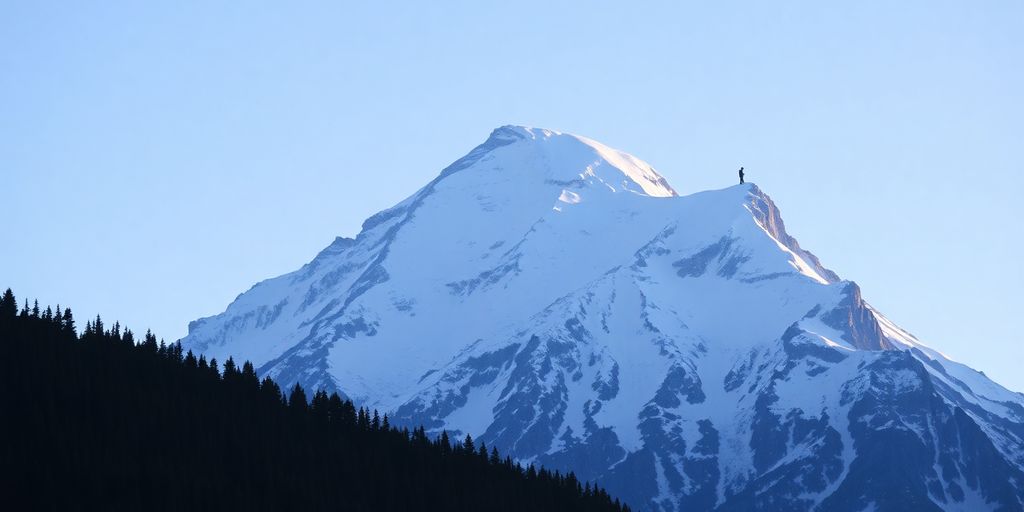
Okay, so Mt. McKinley, or Denali as a lot of folks call it now, is a serious giant. It’s the tallest mountain in North America, shooting up to a staggering 20,310 feet. That’s like, almost four miles straight up! What’s really cool is how much it rises from its base; it’s one of the biggest elevation gains of any mountain on Earth. You can really appreciate the sheer scale of it when you see it towering over the Alaskan landscape. It’s not just tall, it’s massive. The mountain is located in the Alaska Range, featuring two summits above the Denali Fault.
Historical Significance of Mt. McKinley
This mountain has a pretty interesting history, name-wise. Back in the day, a gold prospector decided to name it McKinley as a way to support William McKinley, who was running for president. Then, Alaska decided they wanted to call it Denali, which is what the locals had always called it. It took a while, but eventually, the federal government switched over to Denali too. There was even a time when the peaks were named "Churchill Peaks"! The first attempt to climb Denali was in 1903, but it wasn’t successful. In 1906, Frederick Cook claimed the first ascent, but this ascent is unverified and its legitimacy questioned. The mountain’s official federal name was changed back to Mount McKinley on January 24, 2025.
Why Climb Mt. McKinley in Alaska?
So, why would anyone want to climb this beast? Well, for starters, it’s a huge accomplishment. Reaching the summit of Denali is something most climbers only dream about. Plus, the views from up there are supposed to be unreal. It’s a real test of your skills, endurance, and mental toughness. You’re dealing with extreme cold, high altitude, and some seriously challenging terrain. It’s not a walk in the park, but that’s part of what makes it so rewarding. The West Buttress route helped popularize McKinley as a destination for climbers globally, highlighting its potential as a preparatory climb for the Earth’s highest peaks.
Climbing Denali isn’t just about reaching the top. It’s about pushing yourself to your limits, experiencing the raw beauty of Alaska, and creating memories that will last a lifetime. It’s a journey that changes you, and that’s why so many people are drawn to it, despite the risks and challenges.
Preparing for Your Mt. McKinley Expedition
Essential Physical Fitness for Mt. McKinley
Okay, so you’re thinking about climbing Denali? Awesome! But let’s be real, this isn’t your average hike. You can’t just roll out of bed and expect to conquer North America’s highest peak. You need to be seriously fit. I’m talking stamina for days. Cardiovascular fitness is key. Think running, hiking with a weighted pack, and anything that gets your heart pumping. Leg strength is also a must. Those steep slopes and heavy loads will test every muscle in your lower body. Don’t forget about balance! Navigating icy terrain with a huge pack requires solid stability.
Basically, you need to train like an athlete preparing for a marathon… on ice… with a refrigerator strapped to your back. No joke, get in shape. It’s not just about reaching the summit; it’s about doing it safely and enjoying (as much as possible) the experience.
Here’s a quick rundown of what to focus on:
- Cardio: Running, hiking, stair climbing
- Strength: Squats, lunges, deadlifts
- Endurance: Long hikes with a heavy pack
Developing Technical Climbing Skills
Physical fitness is only part of the equation. You also need to know your way around a rope and ice axe. Glacier travel is a big deal, and that means understanding crevasse rescue techniques. Trust me, you don’t want to learn that on the job. Fixed line ascension is another skill you’ll need to master. It’s how you move up those steep sections using ropes that are already in place. And of course, you need to be comfortable with ice axe and crampon techniques. These are your tools for staying upright on icy slopes. Consider joining an expedition skills seminar to learn critical techniques like self-arrest.
| Skill | Description <div>
Gaining High-Altitude Experience
Mt. McKinley’s summit is at 20,310 feet, so you need to know how your body handles that kind of altitude. The air is thin, and things just work differently up there. If you’ve never been above 10,000 feet, you’re going to be in for a surprise. Consider participating in high-altitude programs. It’s a good way to see how your body reacts and improve your ability to acclimatize. It’s also a good idea to talk to your doctor about preventative measures and medications for altitude sickness.
- Headaches
- Nausea
- Fatigue
- Pulmonary or cerebral edema (in severe cases)
Don’t underestimate the mental game either. Being stuck in a tent for days because of bad weather can be tough. You need to be able to stay positive and motivated, even when things get uncomfortable. Remember, the summit is only halfway. You still have to get back down! Make sure you have the right climbing permits and that your travel insurance is up to date. Consider this an opportunity to explore Eklutna Glacier and Valley before your climb. It’s a great way to get a feel for the Alaskan wilderness.
Navigating the West Buttress Route
The West Buttress is the most popular route up Mt. McKinley, and for good reason. It’s considered the ‘easiest’ in terms of technical difficulty, but don’t let that fool you – it’s still a serious undertaking. Let’s break down what you need to know about this classic climb.
History and Popularity of the West Buttress
The West Buttress route has a rich history. It wasn’t the first route to be climbed on Denali, but it quickly became the standard. Its popularity stems from its relatively lower technical difficulty compared to other routes, making it accessible to a wider range of climbers. The historical ascent of the West Buttress is a story in itself, marking a significant moment in mountaineering history. It’s also worth noting that the West Buttress has seen its share of tragedies, like the 1989 incident involving a Japanese climbing team. Despite the inherent risks, its appeal endures.
Route Overview and Key Sections
The West Buttress route is long, covering a lot of ground from base camp to the summit. You’ll start on the Kahiltna Glacier, gradually ascending through various camps. Key sections include:
- Base Camp: The starting point, usually around 7,200 feet. This is where you’ll get organized and acclimatize a bit before heading up. The Fastest Known Time for Denali starts here.
- Heartbreak Hill: A tough climb early on that really tests your legs and lungs.
- 14 Camp (14,200 feet): A major staging area for summit attempts. It’s also where you’ll likely spend a few days acclimatizing.
- The fixed lines: These ropes are installed on the upper mountain to help climbers ascend steep sections safely. They can be icy and challenging, so be prepared.
- Denali Pass: The final push to the summit. It’s often windy and cold, but the views are incredible.
The route isn’t just about physical endurance; it’s a mental game too. You’ll be dealing with altitude, cold, and the constant weight of your gear. Breaking the climb into smaller, manageable sections can help you stay focused and motivated.
Typical Climber Experience on Mt. McKinley
What’s it really like to climb the West Buttress? Well, expect a lot of hard work. You’ll be hauling heavy sleds and packs, setting up and breaking down camp in freezing temperatures, and dealing with unpredictable weather. The West Buttress route is recommended for a reason, it offers stunning views and a variety of terrains. You’ll encounter vast glaciers and steep snow slopes. It’s an experience that will test you physically and mentally, but the sense of accomplishment at the summit is unparalleled. Many climbers describe it as a life-changing adventure. The climber experience is something you’ll never forget.
| Stage | Altitude (feet) | Description |
|---|---|---|
| Base Camp | 7,200 | Staging area, acclimatization |
| Camp 1 | 7,800 | |
| Camp 2 | 11,000 | |
| Camp 3 | 14,200 | Acclimatization, summit push staging |
| High Camp | 17,200 | |
| Summit | 20,310 |
Challenges of Climbing Mt. McKinley
Physical Demands of the Ascent
Okay, so climbing Mt. McKinley, or Denali as many call it, isn’t exactly a walk in the park. It’s more like a really, really long slog through a freezer. The physical strain is intense. You’re dealing with some serious altitude, which means less oxygen. Then there’s the cold – think temperatures way below zero. And to top it all off, you’re hauling a heavy pack and dragging a sled full of gear. It’s like a full-body workout that never ends. You need to have stamina for days.
Honestly, I can’t imagine doing that without being in peak physical condition. It’s not just about being able to hike; it’s about being able to do it day after day in some of the most brutal conditions imaginable.
Here’s a quick rundown of what your body will be up against:
- Extreme cold: Temperatures can plummet to -40°F (-40°C) or even lower.
- Heavy loads: Expect to carry a pack weighing 60-80 lbs and drag a sled.
- High altitude: The summit is at 20,310 feet, leading to altitude sickness.
Mental Resilience Required for Mt. McKinley
It’s not just your body that takes a beating; your mind does too. Imagine being stuck in a tent for days because of bad weather. The isolation can get to you, and the constant physical strain can wear you down. You need to be mentally tough to make it through. It’s about staying positive, keeping motivated, and supporting your teammates. If you’re the type who needs constant stimulation, this might not be the climb for you. You’ll need to practice mindful techniques in the months leading up to your expedition to prepare for potential boredom. Mountaineer Johann Peries is attempting to climb Mount Denali, Alaska’s highest peak, as his final summit in the Seven Summits Challenge.
Extreme Temperatures and Weather Conditions
The weather on Denali is, well, unpredictable. One minute it’s sunny, the next you’re in a whiteout blizzard. Temperatures can drop rapidly, and the wind can be fierce. This isn’t your average mountain weather; it’s extreme. You need to be prepared for anything and everything. That means having the right gear, knowing how to use it, and being ready to hunker down when necessary. It’s all part of the adventure, right? Plan your Denali expedition with expert insights from Alaska’s top guiding team.
Here’s what you might face:
- Rapidly changing weather patterns
- Extreme cold and wind chill
- Whiteout conditions
Safety and Guidance on Mt. McKinley
The Role of Experienced Guides
Okay, so you’re thinking about climbing Mt. McKinley? Awesome! But seriously, don’t underestimate the importance of having experienced guides. These folks aren’t just there to point the way; they’re your lifeline. They know the mountain inside and out, from the safest routes to the early warning signs of a coming storm. Plus, they’re trained to handle emergencies, which, let’s be honest, can happen.
Think of it this way: climbing McKinley without a guide is like trying to assemble IKEA furniture without the instructions – possible, but probably a huge mess. Guides bring expertise and a level of preparedness that most of us just don’t have on our own.
Managing Altitude Sickness and Medical Issues
Altitude sickness is a real buzzkill, and Mt. McKinley is high enough that pretty much everyone feels it to some extent. It’s not just a headache; it can turn into something really serious if you don’t manage it right. Here’s the deal:
- Acclimatization is key: Don’t rush the ascent. Give your body time to adjust.
- Stay hydrated: Drink plenty of water. Seriously, more than you think you need.
- Listen to your body: If you’re feeling off, tell someone. Don’t try to tough it out.
- Guides are trained: They can spot the signs of altitude sickness and know when to descend.
And it’s not just altitude sickness. Cuts, sprains, frostbite – all kinds of medical stuff can happen on a mountain. Make sure your guide service has a solid medical plan and that you’re honest about any pre-existing conditions. RMI Expeditions is well-prepared to handle altitude sickness and other medical issues. Our guides are highly trained in wilderness medicine and equipped with comprehensive medical kits. If a climber shows symptoms of altitude sickness, they can help.
Importance of Flexible Itineraries and Weather Days
Here’s a hard truth: Mt. McKinley doesn’t care about your schedule. The weather can change in an instant, and sometimes you just have to wait it out. That’s why flexible itineraries and weather days are so important.
| Factor | Importance | Aspect | Description and the weather can change in a heartbeat.
- Listen to your guides: They know when to push and when to turn back.
- Don’t be afraid to bail: Reaching the summit isn’t worth risking your life.
Look, climbing Mt. McKinley is a serious undertaking. But with the right preparation, the right guides, and a healthy dose of respect for the mountain, you can have an amazing – and safe – experience. And remember to check out the Alpine Club of Canada for more resources.
Recommended Reading for Mt. McKinley Climbers
Historical Accounts of Mt. McKinley Ascents
If you’re planning a climb, reading about the history of Denali is a great way to get inspired. There are some really good books out there that tell the stories of the early expeditions, the challenges they faced, and the sheer determination it took to reach the summit. These accounts can give you a real sense of what to expect and a deeper appreciation for the mountain. For example, reading about the Sourdough Expedition really puts things in perspective. You can almost feel the cold and see the mountain as they did. It’s a good way to mentally prepare for your own adventure. Consider reading:
- "Alaska: Saga of a Bold Land" by Walter R. Borneman
- "The Sourdough Expedition: Stories of the Pioneer Alaskans Who Climbed Mount McKinley in l910" by Terence Cole
- "Mount McKinley: The Pioneer Climbs" by Terris Moore
Guidebooks for Denali’s West Buttress
Okay, so you’re serious about climbing Denali, right? Then you absolutely need a good guidebook. These aren’t just nice-to-haves; they’re essential for planning your route, understanding the terrain, and knowing what to expect at each stage of the climb. A solid guidebook will give you detailed maps, elevation profiles, and even advice on where to set up camp. It’s like having an experienced climber Sam Hennessey in your pocket. Make sure you get one that’s up-to-date, because conditions on the mountain can change quickly. A good one to check out is:
- "Denali’s West Buttress: A Climber’s Guide to Mount McKinley’s Classic Route" by Coombs and Washburn
Stories of Winter Ascents on Mt. McKinley
Want to read about something truly hardcore? Then check out the stories of winter ascents on Denali. These climbers faced some of the most brutal conditions imaginable: extreme cold, high winds, and short days. Reading about their experiences is both terrifying and inspiring. It really makes you appreciate the challenges of climbing in such an environment. It’s also a good reminder of how important it is to be prepared for anything. I mean, imagine dealing with minus 148 degrees! That’s just insane. Here are some books to consider:
- "Minus 148°: First Winter Ascent of Mt. McKinley" by Art Davidson
- "Dangerous Steps: Vernon Tejas and the Solo Winter Ascent of Mount McKinley" by Lew Freedman
Reading about other people’s experiences on Denali can be incredibly helpful, but remember that everyone’s climb is different. Use these stories as inspiration and guidance, but always make your own decisions based on your own abilities and the conditions on the mountain. And always, always prioritize safety. If you’re looking for a tour, check out Heli Alaska, Inc. for options.
Beyond the Summit: Other Alaskan Adventures
So, you’ve conquered Mt. McKinley! Awesome! But Alaska’s got way more to offer than just one big mountain. Seriously, the state is HUGE. Let’s talk about some other adventures you can tack onto your trip.
Exploring Eklutna Glacier and Valley
Eklutna Glacier is a super accessible glacier near Anchorage, making it a great day trip. You can hike around, check out the ice formations, and even go ice climbing if you’re feeling ambitious. The Eklutna Valley itself is really pretty, with lots of hiking trails. You can even take an Eklutna Valley tour to see the sights. It’s a cool contrast to the high-altitude environment of Denali.
Discovering Hatcher Pass and Knik Glacier
Hatcher Pass is this awesome mountain pass with tons of hiking and historic mining sites. It’s especially beautiful in the summer with all the wildflowers. Knik Glacier is another massive glacier, and you can actually take a boat tour to get up close and personal with it. It’s a totally different experience than being on a mountain, that’s for sure. You can even book flightseeing tours to get a bird’s eye view of the glacier.
Prince William Sound and Alaska State Fair
Prince William Sound is all about the ocean. Think glaciers calving into the sea, whales breaching, and otters chilling. You can take a boat tour, go kayaking, or even try some fishing. It’s a great way to see a different side of Alaska. And if you happen to be in Alaska towards the end of August/early September, the Alaska State Fair is a must-see. It’s got everything from giant vegetables to livestock competitions to concerts. It’s peak Alaskan culture, and you can experience it all with a visit to the Alaska State Fair.
Honestly, after climbing Denali, you deserve a little relaxation and some different scenery. These spots offer a great way to unwind and appreciate the diverse beauty of Alaska without needing crampons and an ice axe. Plus, you’ll get some killer photos to show off back home.
Choosing Your Mt. McKinley Guide Service
RMI’s Legacy on Mt. McKinley
When you’re thinking about climbing Mt. McKinley, picking the right guide service is a big deal. It’s not just about getting to the top; it’s about safety, experience, and making sure you actually enjoy the whole thing. One name that often comes up is RMI, or Rainier Mountaineering, Inc. They’ve been around since 1969, and they’ve got a serious history on Denali. They’ve led over 300 expeditions, which is a lot.
RMI’s guides have a ton of experience, not just on Denali, but on mountains all over the world. They’ve even helped out with rescues on the mountain, which says a lot about their commitment and skill. Plus, they’re involved in some cool charity work, like the Climb for Clean Air, which is pretty awesome.
High Success Rates and Safety Protocols
So, what makes a guide service good? Well, success rates are important, but safety is even more so. You want a team that knows what they’re doing and has a plan for when things go wrong. RMI seems to focus on both. They don’t have a set end date for their trips, which means they can adjust to the weather and how the team is doing. This flexibility can really help with success. Their guides keep a close eye on everyone to make sure they’re adjusting to the altitude and are ready for the climb. It’s also good to know how they handle emergencies. They’ve got highly trained guides, comprehensive medical kits, and communication devices.
Here’s a quick rundown of what to look for in safety protocols:
- Wilderness Medicine Certification: Make sure guides are certified.
- Emergency Equipment: Check that they carry comprehensive medical and rescue gear.
- Communication: Confirm they use reliable communication devices.
Custom Expedition Opportunities
Sometimes, you want something a little different than the standard trip. Maybe you want to climb with a specific guide or have a trip tailored to your group’s needs. Some guide services, like RMI, offer custom expeditions. This means you can work with them to create a climb that fits your experience level and goals. For example, you could arrange a Talkeetna Heli-Hike with a specific guide. It’s worth checking out if you’re looking for a more personalized experience. It can make the whole adventure even more memorable.
Life on the Mountain: Expedition Logistics
Carrying Heavy Packs and Sleds
Okay, so picture this: you’re on Mt. McKinley, and you’ve got everything you need to survive strapped to your back or dragging behind you. We’re talking tents, food, climbing gear, the whole shebang. Weight management is super important because you’re carrying all your gear up the mountain. Climbers often haul packs weighing between 60-80 lbs, plus they’re pulling a sled loaded with even more equipment.
Here’s a few things to keep in mind:
- Prioritize lightweight gear. Every ounce counts when you’re at altitude.
- Distribute the weight evenly between your pack and sled. This helps with balance and prevents strain.
- Practice packing before you go. Knowing where everything is located saves time and energy on the mountain.
Campsite Management and Cold-Weather Camping
Setting up and maintaining a campsite on Mt. McKinley is no joke. You’re dealing with extreme cold, wind, and snow, so you need to be organized and efficient. A typical day on the mountain involves setting up camp, building snow walls for protection, and preparing tents. Afternoons and evenings are spent melting snow for water, cooking meals, and planning for the next day.
It’s important to have a system for everything, from melting snow to organizing your gear. A well-managed campsite can make a huge difference in your comfort and safety.
Here’s a quick rundown:
- Find a sheltered spot. Look for natural features that can block the wind.
- Build snow walls. These provide crucial protection from the elements.
- Organize your tent. Keep your sleeping bag dry and your gear accessible.
Acclimatization Strategies on Mt. McKinley
Acclimatization is key to successfully climbing Mt. McKinley. The goal is to allow your body to adjust to the decreasing oxygen levels as you ascend. Climbing high and sleeping low is a common strategy. This involves moving to a higher camp during the day and then returning to a lower altitude to sleep.
| Altitude (feet) | Activity |
|---|---|
| 7,800 | Base Camp |
| 11,000 | Move gear to Camp 1 |
| 14,200 | Establish new camp after a grueling ascent |
Here are some tips for acclimatizing:
- Drink plenty of fluids. Staying hydrated helps your body adjust to the altitude.
- Eat a high-calorie diet. Your body needs extra fuel at altitude.
- Take rest days. Don’t push yourself too hard, especially in the early stages of the climb.
Remember, everyone acclimatizes at a different rate, so listen to your body and don’t be afraid to descend if you’re feeling unwell. The RMI Expeditions guides provide instruction on food handling and hygiene practices to help prevent illness. If you’re looking for activity tours after your climb, consider checking out the Alaska State Fair or the Eklutna Glacier. The team had an active rest day after a grueling ascent. The twelve men embarked on a challenging climb. Erik Weihenmayer scaled Mount McKinley. You can book a Hatcher Pass helicopter tour.
The Unforgettable Experience of Mt. McKinley
Stunning Views and Diverse Terrain
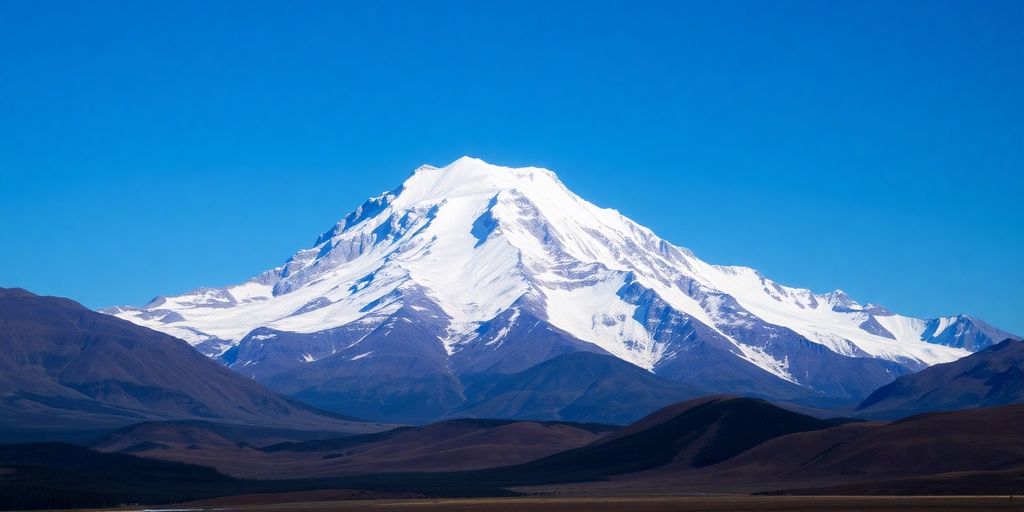
Okay, let’s be real – the views from Mt. McKinley are something else. I mean, you’re literally on top of North America, looking out over this crazy, untouched landscape. It’s not just snow and ice, either. You’ve got glaciers snaking around, these insane rock formations, and the way the light hits everything at sunrise and sunset? Forget about it. It’s the kind of stuff that makes you feel super small but also super connected to everything.
The Sense of Accomplishment
Reaching the summit of Mt. McKinley isn’t like bagging any old peak. It’s a grind. You’re battling the altitude, the cold, the weather… everything is trying to stop you. So, when you finally get there? It’s an unbelievable feeling. It’s not just about the physical challenge, either. It’s about pushing yourself mentally and emotionally, and coming out on top. It’s a huge confidence boost, and it’s something you’ll carry with you long after you’re back at sea level. The RMI Guides’ Mt. McKinley expedition team, led by Cifelli, is resting at their 14,000-foot camp, and the climber expresses deep satisfaction with the adventure.
Creating Lasting Memories in Alaska
Climbing Mt. McKinley is more than just a climb; it’s a full-on Alaskan adventure. You’re not just on the mountain; you’re in this wild, remote place that’s unlike anywhere else on Earth. You’re dealing with the elements, working with your team, and experiencing things that most people only read about. And those memories? They stick with you. The stories you’ll tell, the friendships you’ll make, and the things you’ll see will stay with you forever. It’s the kind of experience that changes you, and it’s worth every bit of effort. You might even want to explore the Eklutna Glacier and Valley after your climb.
Imagine soaring above the tallest peak in North America, Mount McKinley, also known as Denali. Our special helicopter tours offer views you won’t believe, giving you a whole new way to see this amazing natural wonder. Don’t just read about it; experience it for yourself! Visit our website to learn more about our incredible flightseeing tours and book your adventure today.
Wrapping Things Up: Your McKinley Adventure Awaits
So, there you have it. Climbing Mt. McKinley, or Denali as many call it, is a big deal. It’s not just a walk in the park; it’s a real test of what you’re made of. You’ll face some tough stuff, from the cold to the long days, but the payoff? Totally worth it. Standing on top of North America, looking out at all that wild Alaska, is something you’ll never forget. It’s a chance to push yourself, see amazing things, and come back with stories that’ll make your friends’ jaws drop. If you’re up for a true adventure, this mountain is waiting for you.
Frequently Asked Questions
What is Mt. McKinley?
Mt. McKinley, also known as Denali, is North America’s tallest mountain. It stands at 20,310 feet (6,190 meters) above sea level. It’s a huge and impressive peak in the Alaska Range.
What is the West Buttress route?
The West Buttress route is the most common way to climb Mt. McKinley. It was first climbed in 1951 by Bradford Washburn. People like it because it’s a pretty direct path that helps climbers get used to the high altitude slowly.
What kind of physical and mental challenges should I expect?
Climbing Mt. McKinley is very hard, both for your body and your mind. You’ll face really cold weather, strong winds, and lots of snow. Temperatures can drop to -40°F (-40°C) or even lower. You’ll also have to carry heavy bags and pull sleds with your gear. The high altitude can make you sick and tired, making every step tough. Mentally, you need to be strong to deal with long days of hard work, waiting for good weather, and being far away from everything.
How many weather days do you have planned in the expedition itinerary?
Our trips include extra days in the schedule to deal with bad weather. The exact number of these ‘weather days’ can change, but they are there to give us more chances to reach the top safely. We always put safety first.
Is it important to have an experienced guide for this climb?
Yes, having an experienced guide is very important. Guides know the mountain well, can help you stay safe, and make smart decisions, especially when the weather is bad or someone isn’t feeling well. They also teach you important climbing skills.
How are altitude sickness and other medical issues handled on the expedition?
We take altitude sickness very seriously. Our guides are trained in wilderness medicine and carry medical supplies. If someone gets altitude sickness, the guides will know what to do, which might mean going down to a lower altitude.
What kind of training and experience do I need before attempting Mt. McKinley?
To get ready, you need to be in great physical shape. This means having strong legs, good balance, and being able to do long, hard activities. You also need to know how to climb on glaciers, rescue people from cracks in the ice, and use special climbing tools like ice axes and crampons. It’s also a good idea to have experience climbing at high altitudes before you try Mt. McKinley.
What other adventures can I experience in Alaska besides climbing Mt. McKinley?
Besides climbing Mt. McKinley, Alaska offers many other cool adventures. You can explore the Eklutna Glacier and Valley, visit Hatcher Pass and the Knik Glacier, or enjoy the Prince William Sound and the Alaska State Fair. There’s a lot to see and do!