

Alaska Oil Company Jobs
Introduction
Alaska’s vast natural resources have made it a hub for oil company jobs, offering numerous opportunities for skilled workers. With its rugged terrain and extreme weather conditions, working in Alaska requires a unique set of skills and a focus on safety. Heli Alaska, Inc., a veteran-owned, FAA-certified operator, provides helicopter services vital to the oil industry, ensuring safe and efficient operations in remote locations. This guide will explore job opportunities, essential safety practices, and practical tips for working in Alaska’s oil industry.
Safety
Safety is paramount when working in Alaska’s oil industry. The challenging environment necessitates rigorous safety protocols and regular training. Heli Alaska, Inc. prides itself on its veteran expertise and FAA certification, ensuring that all operations adhere to the highest safety standards. Whether flying over glaciers or navigating alpine conditions, our team prioritizes the well-being of all personnel involved in oil operations. For more information on safety standards, visit FAA.
When to Go
The best time to work in Alaska’s oil fields depends on your tolerance for cold weather and daylight hours. Winter months bring extreme cold and limited daylight, posing additional challenges. Summer, however, offers milder temperatures and extended daylight, making it an ideal time for operations. For current weather conditions and forecasts, refer to Weather.gov and NOAA.
What to Wear
Dressing appropriately for Alaska’s harsh weather is crucial. Layers are essential to stay warm and dry. Waterproof outerwear, thermal layers, and sturdy, insulated boots are recommended. Always pack extra gloves and hats. Given the unpredictable weather, it’s vital to be prepared for sudden changes in conditions. For detailed packing lists and weather insights, consult Travel Alaska.
Route Options
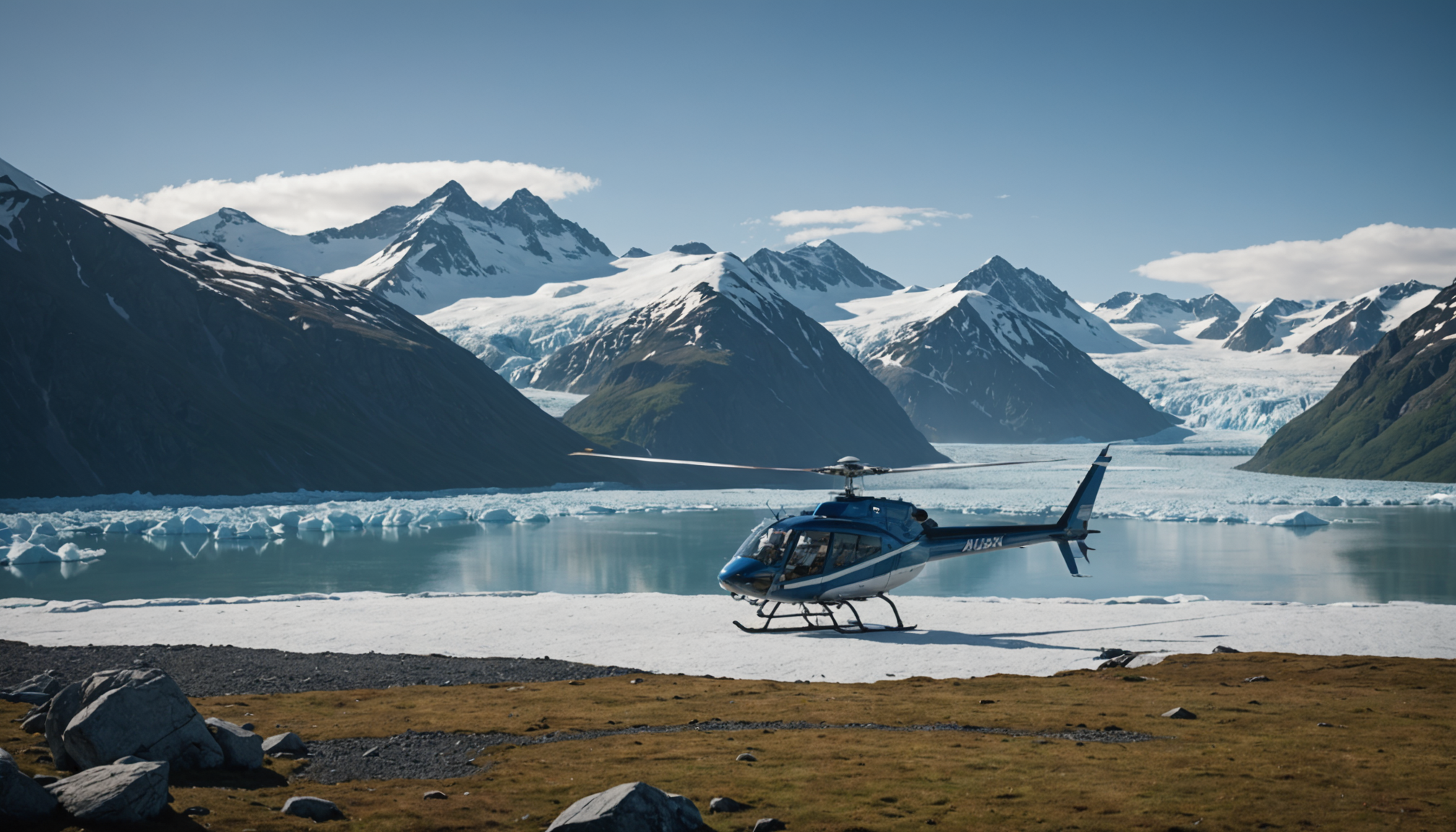
Navigating Alaska’s remote oil fields requires specialized transportation. Helicopter services, such as those provided by Heli Alaska, Inc., are essential for accessing isolated locations. Our charter services offer customized solutions to meet the needs of oil companies, ensuring timely and safe transport of personnel and equipment.
Photography Tips
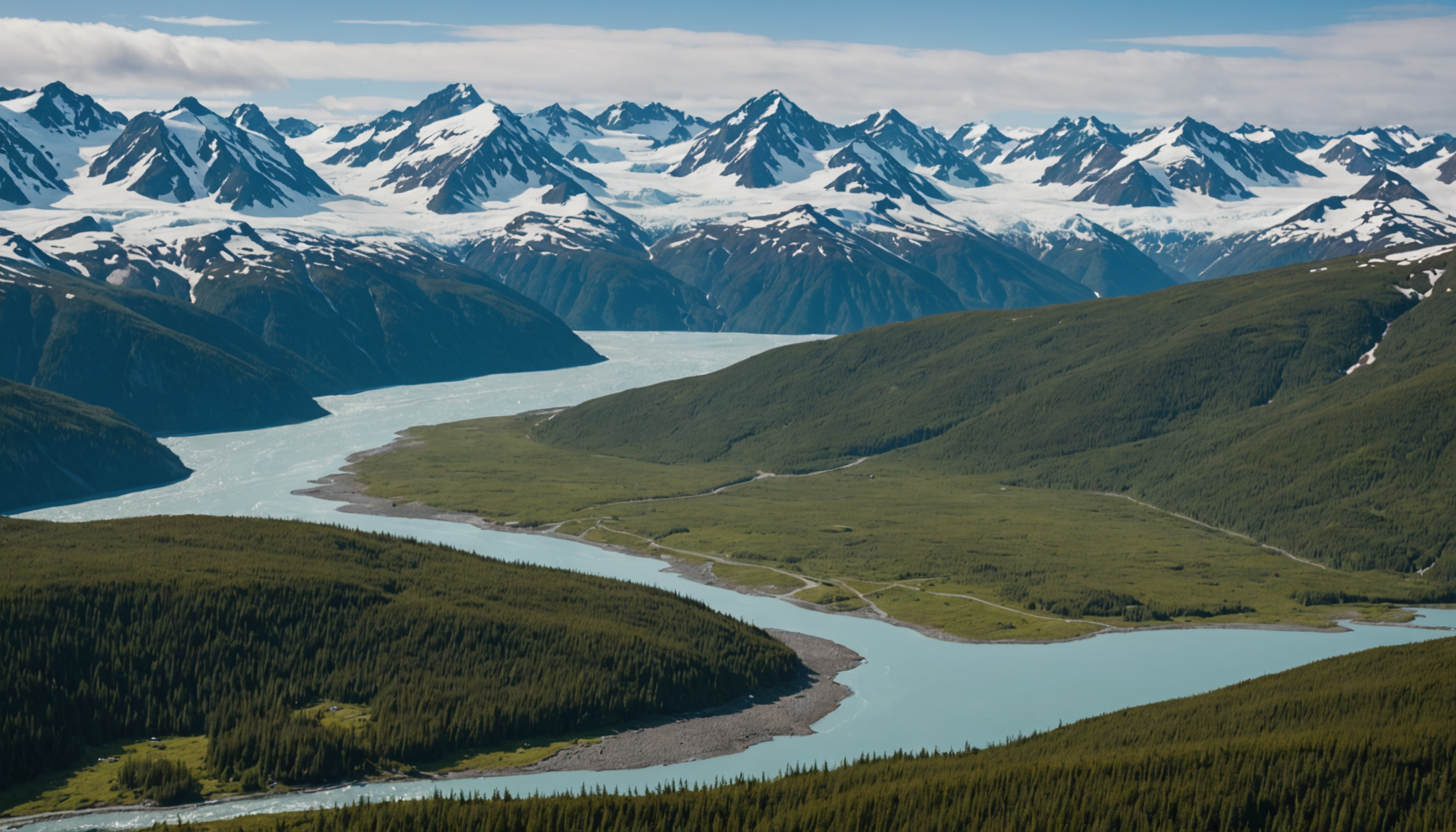
Capturing the beauty of Alaska’s oil fields requires skill and preparation. The unique landscape, from glaciers to rugged mountains, offers stunning photographic opportunities. Use a camera with a wide-angle lens for capturing expansive views. Early morning or late afternoon provides the best lighting. Always secure your equipment, as sudden weather changes can occur.
How to Book
To experience Alaska’s oil fields with the safety and reliability of Heli Alaska, Inc., contact us directly. Our team is ready to assist with all your transportation needs, ensuring a seamless and secure operation. For inquiries, visit our contact page.
Conclusion
Working in Alaska’s oil industry offers rewarding career opportunities amidst stunning natural beauty. With Heli Alaska, Inc., you can ensure your operations are safe, efficient, and compliant with the highest standards. Contact us today to learn more about our services and how we can support your endeavors in the Alaskan oil industry.
FAQ
1. What are the main job opportunities in Alaska’s oil industry?
The oil industry offers roles in drilling, engineering, logistics, and environmental management. Skilled trades such as welders and mechanics are also in demand.
2. How does Heli Alaska, Inc. support oil operations?
We provide safe, reliable helicopter transport for personnel and equipment, crucial for accessing remote oil field locations.
3. What safety precautions are necessary in Alaska’s oil fields?
Strict adherence to safety protocols, regular training, and appropriate gear are essential to ensure safety in challenging conditions.
4. When is the best time to work in Alaska’s oil fields?
Summer is ideal due to milder temperatures and extended daylight, although operations continue year-round.
5. What should I wear when working in Alaska?
Layered clothing, waterproof outerwear, and insulated boots are essential to stay warm and dry.
6. How can I access current weather conditions in Alaska?
Visit Weather.gov or NOAA for real-time weather updates and forecasts.
7. How do I book helicopter services with Heli Alaska, Inc.?
Visit our contact page to inquire about our charter services and book your transport.
8. Are there photography opportunities in Alaska’s oil fields?
Yes, the unique landscapes provide excellent opportunities for photography, especially during early morning or late afternoon lighting.