

Vancouver–Vancouver Round-Trip Alaska Cruises
Introduction
Embark on a journey from Vancouver to the stunning landscapes of Alaska with Heli Alaska, Inc. Our veteran-owned, FAA-certified operations ensure a safe and memorable experience as you explore the untamed beauty of Alaska’s wilderness. Whether you’re interested in glacier tours or comprehensive flightseeing adventures, we provide tailored services to meet your unique needs. Dive into the heart of Alaska with confidence, knowing your safety is our top priority.
Safety
At Heli Alaska, safety is paramount. Our veteran-owned company is FAA-certified, including Part 133 operations, which confirms our adherence to stringent safety standards. Our pilots are skilled in navigating Alaska’s challenging terrains, ensuring a secure and smooth journey. We continuously monitor weather conditions and make informed decisions to prioritize your safety above all else.
When to Go
The best time to experience Alaska’s beauty is from late May to early September. During these months, you can enjoy long daylight hours and milder temperatures. Each season offers unique experiences, from the vibrant wildflowers of early summer to the stunning fall foliage in September. Check Travel Alaska for detailed weather forecasts and seasonal highlights.
What to Wear
Alaska’s weather can be unpredictable, so dress in layers. Start with moisture-wicking base layers, add insulating mid-layers, and finish with a waterproof outer layer. Sturdy boots and gloves are essential for glacier tours. For more detailed clothing advice specific to Knik Glacier helicopter tours, visit our dedicated page.
Route Options
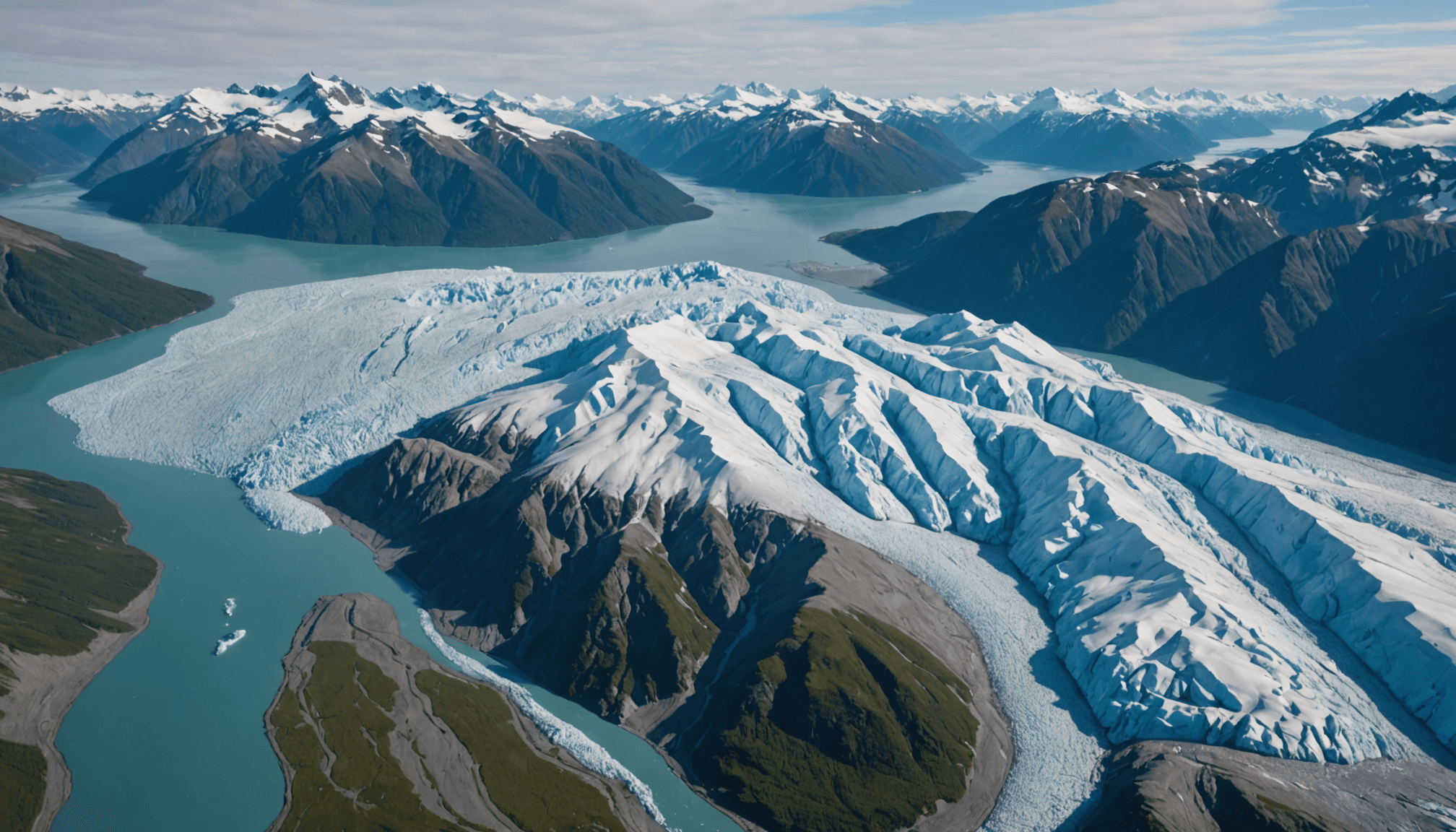
Our helicopter tours offer unique perspectives of Alaska’s breathtaking landscapes, including the Mat-Su Valley and Prince William Sound. Choose from various routes such as the Knik Glacier Helicopter Tour or customize your own charter experience through our charter services. Each route is designed to showcase the natural beauty and rugged terrain of Alaska.
Photography Tips
Capture the awe-inspiring beauty of Alaska with a few practical photography tips. Use a polarizing filter to reduce glare from snow and water. A wide-angle lens is ideal for capturing expansive landscapes. For wildlife, a telephoto lens is recommended. Remember to protect your gear from moisture and cold temperatures. Consult alaska.org for additional photography insights specific to Alaskan conditions.
How to Book
Booking your Alaska adventure with Heli Alaska is straightforward. Visit our contact page to connect with our team and customize your itinerary. Whether you’re interested in Alaska flightseeing tours or specialized charter services, our experienced staff will assist you in planning the perfect trip.
Conclusion
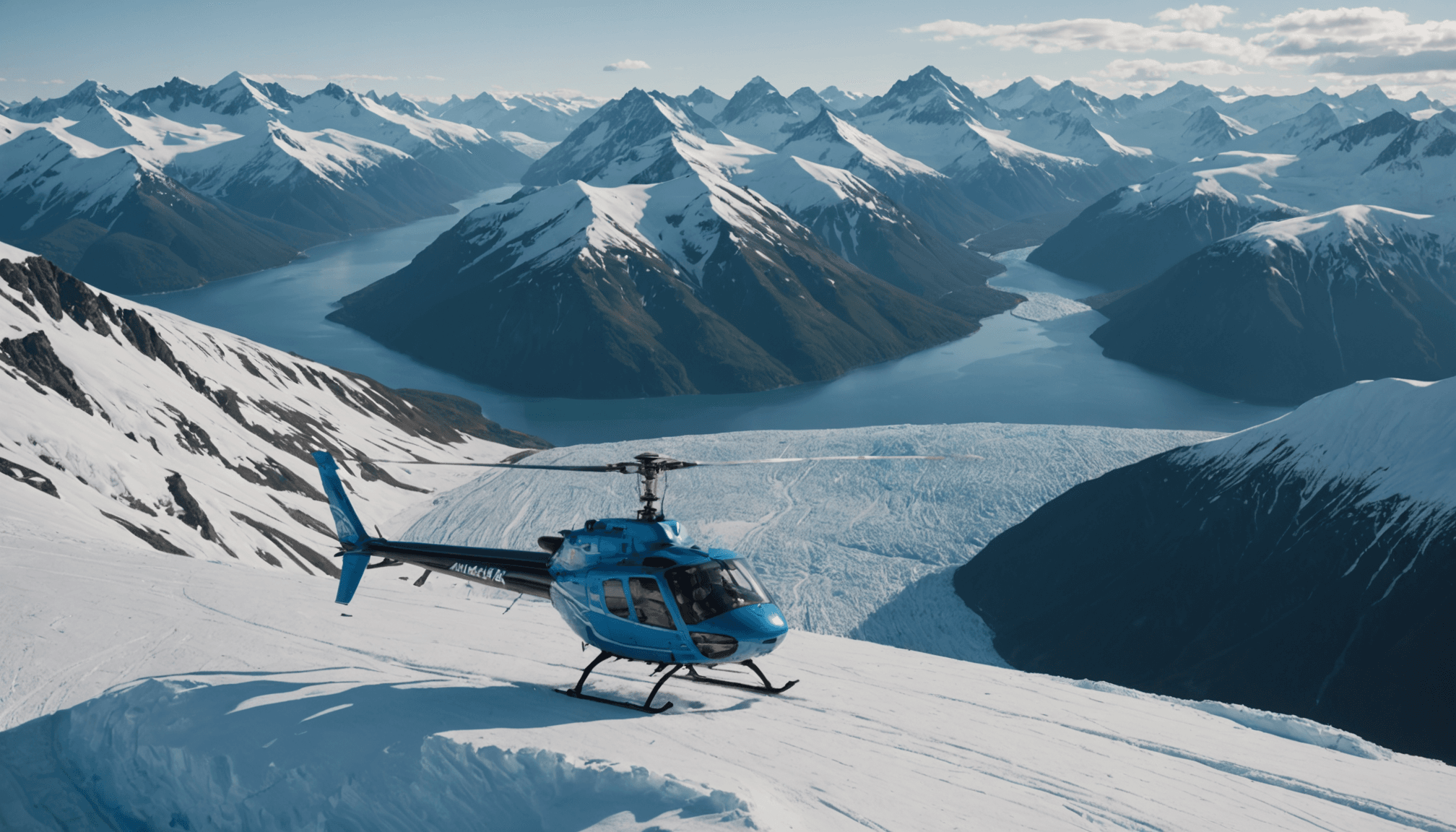
Experience the unparalleled beauty of Alaska with Heli Alaska, Inc. Our commitment to safety, combined with our veteran-owned expertise, ensures a remarkable and secure journey. Book your tour today and witness the majestic landscapes of Alaska from above.
FAQ
What is the best time of year for a helicopter tour in Alaska?
The best time is from late May to early September when the weather is most favorable.
What should I wear on a helicopter tour in Alaska?
Dress in layers with waterproof outerwear. Sturdy boots and gloves are also recommended.
Are your pilots experienced in Alaskan terrain?
Yes, our pilots are highly experienced and trained to navigate Alaska’s rugged landscapes.
How do I book a tour with Heli Alaska?
You can book through our contact page where our team will assist you.
What areas do your tours cover?
Our tours cover various regions, including the Mat-Su Valley, Knik Glacier, and Prince William Sound.
Is Heli Alaska a certified operator?
Yes, we are a veteran-owned, FAA-certified operator, ensuring the highest safety standards.
For more details, visit our team page to learn about our experienced crew and their dedication to safe operations.