
Thinking about a job with the State of Alaska? It’s a big deal, and there’s a lot to know about what comes with the job. From health plans to how you save for retirement, plus time off and ways to grow in your career, they offer quite a bit. This article will give you a simple look at the main things you can expect as a State of Alaska employee.
Key Takeaways
- State of Alaska employees get good health, vision, and dental plans, with group rates that help keep costs down. You can also set up flexible spending accounts for healthcare or dependent care.
- Retirement plans for State of Alaska employees include the Public Employees Retirement System (PERS). There are different options for saving, like defined contribution plans and the Alaska Deferred Compensation Program.
- Employees of the State of Alaska get paid time off that adds up over time, and they also get twelve paid holidays each year.
- The State of Alaska supports its employees in learning new things and getting better at their jobs. They also have programs to help people move into leadership roles and plan for future staffing needs.
- The work environment for State of Alaska employees tries to be helpful, with things like options for working from home sometimes. They also care about how employees are doing and expect people to work with honesty and a good attitude.
Comprehensive Insurance Benefits for State of Alaska Employees
Okay, let’s talk insurance. It’s not the most exciting topic, but it’s super important when you’re thinking about working for the State of Alaska. They actually have pretty decent benefits, so it’s worth knowing what’s up for grabs. It’s more than just a paycheck, right? It’s about taking care of yourself and your family.
Health, Vision, and Dental Coverage
So, the State of Alaska offers health insurance that includes medical, vision, and dental. It’s a pretty standard package, but it’s good to know it’s there. The specifics of what’s covered can vary a bit depending on your employee group, so definitely check the details that apply to you. I know someone who needed some dental work done, and they were really happy with the coverage. It made a big difference for them. You can also explore health plans for more information.
Group-Based Insurance Premiums
One of the cool things is that the State offers group-based insurance premiums. This includes stuff like term life insurance (for you, your spouse, and dependents), long-term and short-term disability, accidental death and dismemberment, long-term care, and supplemental survivor benefits. Basically, it’s a bunch of safety nets. Group rates usually mean lower premiums than you’d get on your own, which is always a plus. It’s nice to know you have some protection in place, just in case. The ASEA/AFSCME Local 52 Health Benefits Trust offers a flexible benefits package for you and your family.
Flexible Spending Accounts
They also have employee-funded flexible spending accounts (FSAs). These let you set aside money before taxes to pay for eligible healthcare or dependent care expenses. It’s a smart way to save some money if you know you’re going to have those kinds of costs. You can use it for things like doctor visits, prescriptions, or daycare. It’s a bit of a hassle to set up, but the tax savings can be worth it. It’s a good idea to look into this if you have regular medical or childcare expenses.
Robust Retirement Planning for State of Alaska Employees
Planning for retirement can feel like a huge task, but the State of Alaska offers some solid options to help its employees prepare for the future. It’s more than just a paycheck; it’s about building a secure future. Let’s break down the key components of the retirement benefits available.
Public Employees Retirement System (PERS)
The Public Employees Retirement System (PERS) is a big part of retirement planning for state employees. It’s designed to provide income after you retire, and the State of Alaska offers two PERS plans: a Defined Benefit (DB) and a Defined Contribution (DC) plan PERS plans. The specifics of each plan can vary, so it’s a good idea to understand which one applies to you and how it works. It’s a good idea to check with the Division of Retirement and Benefits for details.
Defined Contribution and Benefit Programs
Okay, so what’s the difference between defined contribution and defined benefit? A defined benefit program is like a traditional pension. Your benefit is calculated based on factors like your salary and years of service. A defined contribution program, on the other hand, is more like a 401(k). You and/or the state contribute to an account, and the amount you have at retirement depends on those contributions and investment performance. Employee and employer contributions total 15% of gross eligible salary. The State also offers a Supplemental Annuity Plan, which is pretty cool because contributions go in instead of Social Security taxes.
Alaska Deferred Compensation Program
Think of the Alaska Deferred Compensation Program (DCP) as an extra tool in your retirement toolbox. It’s a voluntary savings plan that lets you set aside pre-tax money for retirement. This can lower your current taxable income, and your savings grow tax-deferred until retirement. The DCP offers a variety of investment options, so you can choose what fits your risk tolerance and retirement goals. For questions about the Alaska Deferred Compensation Plan, you can contact Empower Retirement.
Retirement planning might seem far off, especially when you’re just starting your career. But taking advantage of these benefits early can make a huge difference down the road. The State of Alaska provides resources and information to help you make informed decisions about your retirement. Don’t hesitate to reach out and learn more about how to secure your financial future.
Generous Paid Leave and Holiday Schedule
Time off is super important, and the State of Alaska understands that. They provide a solid package of paid leave and holidays to help employees balance work and life. It’s not just about taking time off; it’s about having the opportunity to recharge and come back ready to contribute.
Accrued Personal Leave
State employees build up personal leave based on how long they’ve worked for the state. The longer you stay, the faster you accrue leave. It’s a pretty straightforward system, and it’s designed to reward loyalty and commitment. This leave can be used for vacation, sick time, or just a day off when you need it. It’s flexible, which is a big plus. You can also look into state-specific PTO laws for more information.
Twelve Paid Holidays Annually
The State of Alaska recognizes twelve paid holidays each year. These holidays include the usual suspects like New Year’s Day, Memorial Day, Independence Day, Labor Day, Thanksgiving, and Christmas. But there are also some Alaska-specific holidays thrown in there, which is pretty cool. It’s a nice way to acknowledge the state’s unique culture and history. It’s worth noting that these holidays are in addition to your personal leave, so you’re getting a good amount of time off each year. You can also check out Alaska’s Ballot Measure 1 for more information on sick leave accrual.
Having a good amount of paid time off is a huge factor for me when considering a job. It’s not just about the money; it’s about having the time to actually enjoy life outside of work. The State of Alaska’s leave policy seems pretty decent, which is definitely a point in their favor.
Vacation and Severance Pay
Beyond personal leave and holidays, it’s also good to know about other types of pay related to time off. For example, understanding vacation and severance pay policies can be helpful, especially when planning long-term or considering career changes. Knowing your rights and options is always a good idea.
Career Development and Growth Opportunities

It’s not just about having a job; it’s about building a career. The State of Alaska understands this, and they put resources into helping employees grow. They know that investing in their people is investing in the future of Alaska. It’s a win-win.
Continuous Learning and Professional Growth
Okay, so you’re in a job, but you don’t want to stay stagnant, right? The State of Alaska gets that. They have programs to help you keep learning and growing. This could be anything from workshops to online courses. The goal is to help you get better at what you do and prepare for what’s next. The Office of Workforce Development facilitates industry-driven training to help you get the skills you need.
- Tuition reimbursement programs are often available, so you can further your education without breaking the bank.
- There are tons of online learning platforms that employees can access.
- Departments often have their own training budgets, so ask your supervisor about opportunities specific to your role.
Leadership Development
Want to move up? The State of Alaska has programs designed to help you become a leader. These aren’t just about managing people; they’re about developing the skills to inspire and guide teams. It’s about creating future leaders who can take the state forward. MASST is a community service program that can help you develop your skills.
Leadership development isn’t just for managers. It’s for anyone who wants to take initiative and make a difference. It’s about learning how to influence others, solve problems, and drive change. The state wants people who are ready to step up and lead, no matter their current role.
Strategic Workforce Planning
Strategic workforce planning is a fancy way of saying the state thinks ahead. They look at what jobs will be needed in the future and how to prepare employees for those roles. This means you might get opportunities to train in new areas or develop skills that are in high demand. It’s about making sure Alaska has the workforce it needs to tackle future challenges. WIOA funding can help train dislocated workers for these new roles.
Here’s a simple breakdown of how it works:
| Step | Description |
|---|---|
| 1 | Identify future workforce needs based on economic trends and state goals. |
| 2 | Assess current employee skills and identify gaps. |
| 3 | Develop training programs to address those gaps. |
| 4 | Implement strategies to attract and retain talent. |
So, if you’re looking for a job where you can grow and develop, the State of Alaska might be a good fit. They invest in their employees, and that can make a big difference in your career. Remember to check out activity tours for some fun outside of work too!
Supportive Work Environment for State of Alaska Employees

Working for the State of Alaska isn’t just about the job; it’s about the environment you’re in every day. The state is making a real effort to create a workplace where people feel supported, valued, and able to thrive. It’s more than just talk; it’s about putting policies and programs in place that make a difference in employees’ lives.
Commitment to Employee Wellness
The State of Alaska recognizes that healthy employees are happy and productive employees. That’s why they’ve put a big focus on employee wellness. This includes access to resources and programs designed to support physical, mental, and financial health. Think of it as a holistic approach to well-being, ensuring you have the tools you need to be your best self, both at work and at home. GSA supports employees with health benefits to help them balance work and personal life.
Hybrid Teleworking Options
One of the ways the State of Alaska is adapting to the modern world is by offering hybrid teleworking options. This means that eligible employees may have the opportunity to work remotely for part of the week, blending the benefits of in-office collaboration with the flexibility of working from home. This can be a game-changer for work-life balance, reducing commute times and allowing for a more personalized work schedule.
Valuing Integrity and Professionalism
The State of Alaska places a high value on integrity and professionalism. This isn’t just a slogan; it’s a commitment to creating a workplace where ethical behavior is expected and rewarded. It means treating everyone with respect, upholding the highest standards of conduct, and fostering a culture of trust and accountability. This commitment extends to all levels of the organization, ensuring that everyone feels safe, respected, and valued. Heli Alaska’s team values customer service and strong client relationships.
The State of Alaska is dedicated to creating a positive and inclusive work environment. This includes promoting diversity, equity, and inclusion, and ensuring that all employees have the opportunity to reach their full potential. It’s about building a workplace where everyone feels welcome, respected, and empowered to contribute their unique talents and perspectives.
Here are some key aspects of the supportive work environment:
- Employee Assistance Programs (EAPs) for confidential counseling and support.
- Wellness challenges and initiatives to promote healthy habits.
- Flexible work arrangements to accommodate personal needs.
Key Human Resources Functions and Services
Employee Relations and Classification
Employee relations is a big deal. It’s about making sure things are fair and everyone is treated well. This involves handling complaints, resolving conflicts, and interpreting policies. Classification is all about figuring out the right pay and responsibilities for each job. It’s like fitting puzzle pieces together to make sure everyone is in the right role.
Equal Employment Opportunity Program
The Equal Employment Opportunity (EEO) Program is there to make sure everyone has a fair shot at getting a job and advancing in their career. The State of Alaska is an Equal Employment Opportunity employer. This means no discrimination based on race, color, religion, sex, national origin, age, disability, or other protected characteristics. It’s about creating a workplace where everyone feels valued and respected.
Statewide HR Policy Development
Statewide HR policy development is where the rules of the game are made. It involves creating, updating, and implementing policies that affect all state employees. This includes things like leave, conduct, and performance. CBIZ can assist with compliance to labor laws. The goal is to make sure the policies are fair, consistent, and in line with the law.
HR policies are important because they set the standard for how employees should be treated and how the workplace should function. They help to create a fair and consistent environment for everyone. Good policies can also help to prevent problems and resolve conflicts before they escalate.
Eligibility and Application for State of Alaska Positions
Alaska Residency Requirements
Okay, so you’re thinking about applying for a job with the State of Alaska? That’s awesome! One of the first things you’ll want to check is whether you meet the residency requirements. Generally, many positions require you to be an Alaska resident. This usually means you need to have lived in Alaska for a certain period, often at least one year, and intend to remain in the state. There might be exceptions, especially for hard-to-fill positions, but it’s best to assume residency is needed. Check the specific job posting, because it will spell out the exact requirements.
Salary and Compensation Details
Let’s talk money! When you’re eyeing a job, you’re probably wondering about the salary. State of Alaska job postings will usually list the salary range. Keep in mind that the starting salary can depend on your qualifications and experience. Some positions might also offer additional compensation or benefits, like housing allowances in certain locations. It’s a good idea to look closely at the job description for all the details. For example, an Eligibility Technician 3 job opening may have a biweekly base salary, but higher compensation may be negotiated.
Contact Information for Applicants
Got questions? Of course, you do! Each job posting should have contact information for someone who can answer your questions about the position. Don’t be shy about reaching out! They can clarify things about the job duties, the application process, or anything else you’re unsure about. It’s way better to ask than to make assumptions. You can apply for jobs and also schedule an appointment for assistance.
Applying for a job can be stressful, but don’t let it get to you. Take your time, read the instructions carefully, and don’t hesitate to ask for help if you need it. Good luck!
Understanding the State of Alaska’s Mission and Culture

It’s more than just a job; it’s about being part of something bigger. Working for the State of Alaska means contributing to the well-being of all Alaskans and shaping the future of this amazing place. Let’s take a look at what that really means.
Serving All Alaskans
When you work for the State of Alaska, you’re working for your neighbors, your community, and the entire state. It’s about providing services and support that make a real difference in people’s lives. Whether it’s education, healthcare, public safety, or managing natural resources, every role plays a part. The Alaska Historical Commission coordinates commemorative planning efforts.
High-Impact Work and Policy Influence
Your work can directly influence policy and shape the direction of the state. It’s not just about following rules; it’s about helping to create them. You’ll be involved in discussions, decisions, and initiatives that affect everything from the economy to the environment. The Division of Personnel’s work will directly shape statewide HR policies and lead key personnel functions that are critical to the success of every department in the Executive Branch.
Supporting Agency Missions
Each state agency has its own specific mission, whether it’s protecting fish and wildlife, promoting economic development, or ensuring public safety. As a state employee, you’ll be supporting that mission and working towards common goals. It’s about teamwork, collaboration, and a shared commitment to serving the people of Alaska. The Alaska State Troopers (AST) are dedicated to preserving peace, enforcing laws, and preventing and detecting crimes.
Working for the State of Alaska isn’t just a job; it’s a chance to make a real difference. It’s about contributing to the well-being of your community and shaping the future of the state. It’s about being part of something bigger than yourself.
Here’s a quick look at some of the key values that guide the State of Alaska’s workforce:
- Integrity: Doing the right thing, even when no one is watching.
- Professionalism: Maintaining high standards of conduct and competence.
- Accountability: Taking responsibility for your actions and decisions.
And here’s a table showing how different agencies contribute to the overall mission:
| Agency | Mission <h2>
Locations and Facilities for State of Alaska Employees
Juneau State Office Building
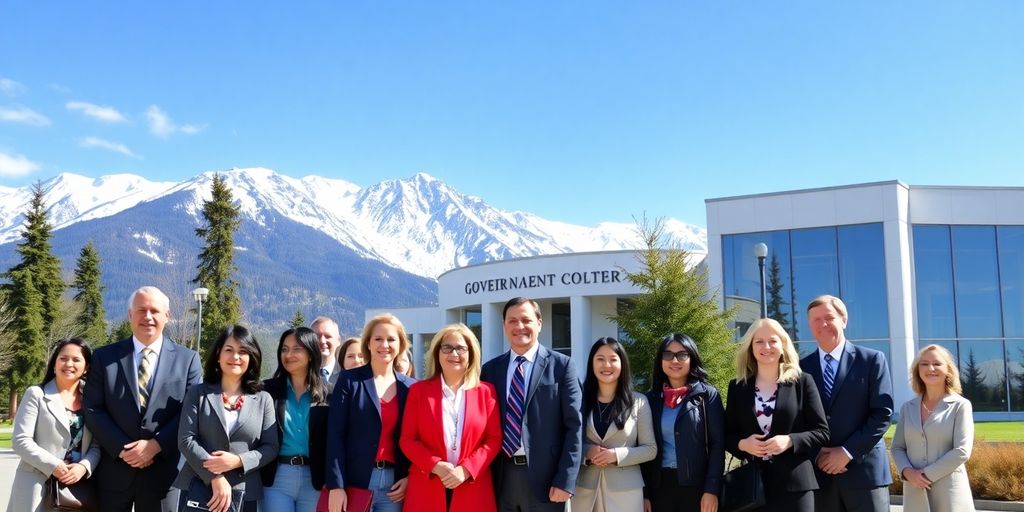
The Juneau State Office Building (SOB) is a key hub for many state employees. Located in historic downtown Juneau, it offers stunning views of Douglas Island and the Gastineau Channel. The SOB houses various departments, making it a central point for state government operations. It’s a pretty nice place to work, especially if you like water views. The Division of Retirement and Benefits has an orientation video specifically designed for new State Employees.
Anchorage Office Locations
Anchorage is another major location for State of Alaska employees. While there isn’t one central building like in Juneau, state offices are spread throughout the city. This means you might find yourself working in a variety of settings, depending on your department. The Mountain View Library in Anchorage, AK, offers workshops for more information, call (907) 269-4800 or use Relay Service 711.
Remote Work Considerations
With advancements in technology, the State of Alaska recognizes the importance of flexible work arrangements. Many positions now offer hybrid teleworking options, allowing employees to balance work and life needs. However, the availability of remote work depends on the specific role and department. Here’s what you should keep in mind:
- Equipment: Make sure you have the necessary equipment for remote work.
- Connectivity: Reliable internet is a must.
- Communication: Stay connected with your team and supervisor.
The State of Alaska is committed to employee wellness and offers hybrid teleworking schedules to meet work-life balance needs. We value integrity, professionalism, empowerment, continuous learning, and accountability.
NRCS Alaska operates 7 customer-facing field offices in Delta Junction, Fairbanks, Homer, Juneau, Kenai, Kodiak, and Wasilla, with its main state office located in Palmer. The DVR Regional Office at 913 W. Commercial Drive, Wasilla, AK 99654 is closed today, June 10, 2025, due to building damage.
Specialized Benefits for Specific Employee Groups
It’s important to know that not all state employees receive the exact same benefits package. Benefits can vary depending on your bargaining unit, branch of government, and whether you’re full-time or part-time. Let’s take a look at some groups with specialized benefits.
AlaskaCare Benefits Administration
AlaskaCare manages benefits for several employee groups. These include AVTEC, Confidential, Correctional Officers, Marine Engineers, Mt. Edgecumbe Teachers, and Supervisory employees. If you’re in one of these groups, AlaskaCare is your go-to for health benefits. It’s worth checking out the orientation video for new state employees to get a quick rundown of insurance, health, and retirement benefits.
Benefits for Correctional Officers
Correctional officers often have specific needs addressed in their benefits packages. This might include things like enhanced life insurance or disability coverage, given the nature of their work. It’s a good idea to check the details of the full-time Protective Service Specialist 3 position in Alaska, as it offers comprehensive benefits including insurance, retirement plans, and paid leave.
Marine Engineers and Teachers Benefits
Marine engineers and teachers at Mt. Edgecumbe also fall under the AlaskaCare umbrella, but their specific benefits might have some unique features. For example, teachers might have access to certain educational benefits or professional development funds. Marine engineers could have benefits tailored to their work environment. Make sure to check the University of Alaska career opportunities for more information on employee benefits and salary schedules.
It’s always a good idea to check with your HR department or your union representative to get the most accurate and up-to-date information on your specific benefits package. Don’t assume anything – clarity is key!
Also, some employee groups are covered by Union health trusts. These include General Government, Labor, Trades and Crafts, Public Safety Employees Association, and Masters, Mates & Pilots. Contact the appropriate Union for additional information. Remember that the State of Alaska offers many benefits to its employees, so it’s worth exploring all the options available to you.
Different jobs often mean different needs. We get that! Our plans are made to fit various groups of employees, making sure everyone gets what helps them most. Want to see how we can help your team? Check out our website to learn more.
Wrapping Things Up
So, there you have it. Working for the State of Alaska comes with a bunch of good stuff, from solid health plans to retirement options that really help you plan for the future. It’s not just about the job itself; it’s about the whole package. Knowing what’s available can make a big difference when you’re thinking about your career path. Hopefully, this helps you get a clearer picture of what it’s like to be part of the State of Alaska team.
Frequently Asked Questions
What kind of insurance benefits does the State of Alaska offer its employees?
The State of Alaska offers a full package of benefits, including health, vision, and dental insurance. These plans are group-based, which means you get good rates. You can also set up Flexible Spending Accounts to save money on health or dependent care costs.
Are there good retirement plans for State of Alaska employees?
Yes, there are strong retirement plans. You’ll be part of the Public Employees Retirement System (PERS). There are different options like defined contribution and defined benefit programs, plus the Alaska Deferred Compensation Program, which lets you choose from various investment options.
How much paid time off do State of Alaska employees get?
You get personal leave that grows the longer you work for the state. Plus, you receive twelve paid holidays each year.
Are there chances to grow my career with the State of Alaska?
The State of Alaska really wants its employees to grow. They offer ways to keep learning and improve your skills, along with programs to help you become a leader. They also plan carefully for their workforce to make sure everyone can succeed.
What’s the work environment like for State of Alaska employees?
The work environment is very supportive. They care about employee well-being and offer hybrid teleworking options, meaning you can work from home part-time. They also highly value honesty and doing things the right way.
What does the Human Resources department do for employees?
The Human Resources department handles many important things. This includes managing employee relationships, setting up job roles, making sure everyone has an equal chance, and creating HR rules for the whole state.
What are the requirements to get a job with the State of Alaska?
To apply for a job, you usually need to live in Alaska. Pay depends on the job and your experience. You can find contact information for job openings in the job listings.
What is the main goal of the State of Alaska and its employees?
The State of Alaska’s main goal is to help all Alaskans. Employees do important work that affects policies and helps different state agencies do their jobs well.