

Thinking about working in Alaska for 6 months? Whether you’re drawn by the stunning landscapes, the thrill of adventure, or just the chance to earn some cash, seasonal jobs in Alaska can be an unforgettable experience. This guide will walk you through everything you need to know, from job opportunities to preparing for life in the Last Frontier. Get ready for an exciting journey!
Key Takeaways
- Alaska offers a wide range of seasonal jobs, especially in tourism and outdoor activities.
- Proper packing and understanding the local climate are crucial for a successful stay.
- Networking and building connections can enhance your experience and job prospects.
- Housing options vary, and it’s important to research living costs in your job area.
- Embrace the Alaskan lifestyle by engaging with the community and exploring the great outdoors.
Exploring Seasonal Job Opportunities
Alaska in 2025 is shaping up to be a hotspot for seasonal employment. If you’re looking for a change of scenery and a chance to earn some money, Alaska might be your place. Let’s explore the options!
Types of Seasonal Jobs Available
There’s a huge range of seasonal jobs in Alaska. Think beyond just fishing! You’ll find opportunities in:
- Tourism: Guiding, hospitality, and tour operations are big. Imagine leading Talkeetna Heli-Hike tours or working at a lodge.
- Fishing and Seafood Processing: This is classic Alaska. It’s hard work, but the pay can be good.
- Construction: Summer is prime time for building in Alaska.
- Transportation: Driving trucks, operating heavy equipment, and even piloting small aircraft.
- Retail: Stores need extra help during the tourist season.
Popular Industries for Seasonal Work
Some industries are just bigger players than others when it comes to seasonal hiring. Here’s a quick rundown:
- Tourism: This includes everything from hotels and restaurants to adventure tourism companies. They need staff for a short period.
- Seafood Processing: Plants operate intensely during fishing seasons.
- Construction: Road work, building projects, and infrastructure upgrades all ramp up in the summer.
- Agriculture: Some farms need seasonal help, though this is less common than in other states.
Job Locations Across Alaska
Where you work in Alaska will depend on the job. Here are some popular areas:
- Southeast Alaska (Juneau, Ketchikan, Sitka): Heavy on tourism and fishing.
- Southcentral Alaska (Anchorage, telecommunications and repeater support , Talkeetna): A mix of everything, with Anchorage as a hub.
- Interior Alaska (Fairbanks): Tourism and some resource extraction.
- Remote areas: Bush jobs in lodges, camps, and smaller communities. These often create lasting memories.
Keep in mind that some locations are extremely isolated. Do your research before committing to a job in a remote area. Make sure you understand the living conditions and what to expect in terms of amenities and access to services.
Preparing for Your Alaskan Adventure
Essential Packing Tips
Okay, so you’re heading to Alaska! Awesome. Packing is key to having a good time. You’ll want to think in layers. Seriously, layers are your best friend. Start with a good base layer, then add insulating layers like fleece or wool. And don’t forget a waterproof and windproof outer shell. This will protect you from the unpredictable Alaskan weather.
Here’s a quick checklist:
- Waterproof hiking boots
- Warm socks (wool or synthetic)
- Thermal underwear
- Fleece jacket or sweater
- Waterproof and windproof jacket and pants
- Hat and gloves
- Sunglasses and sunscreen (yes, even in Alaska!)
- Insect repellent
Understanding the Alaskan Climate
Alaska’s climate is, well, diverse. You could experience sunshine, rain, and even snow all in one day, especially if you’re planning on visiting Prince William Sound guided tours. Summer (June-August) is generally mild, with temperatures ranging from 50°F to 70°F (10°C to 21°C). But remember, it can get colder, especially at night or in higher elevations. Interior Alaska experiences more extreme temperatures, with hot summers and very cold winters. Coastal areas tend to be milder but wetter. Be prepared for anything! Check the forecast regularly and pack accordingly.
Health and Safety Considerations
Alaska is beautiful, but it’s also wild. Here are a few things to keep in mind for your health and safety:
- Wildlife Awareness: Bears, moose, and other animals are common. Carry bear spray and know how to use it. Keep a safe distance from wildlife and never feed them.
- First-Aid Kit: Pack a comprehensive first-aid kit with essentials like bandages, antiseptic wipes, pain relievers, and any personal medications.
- Emergency Communication: Cell service can be spotty in remote areas. Consider carrying a satellite phone or personal locator beacon (PLB) for emergencies.
- Water Safety: If you’re planning on boating or fishing, be aware of the dangers of cold water immersion. Wear a life jacket and be prepared for sudden changes in weather.
- Sun Protection: The Alaskan sun can be surprisingly intense, especially when reflected off snow or water. Use sunscreen, wear sunglasses, and protect your skin with clothing.
It’s also a good idea to inform someone of your travel plans and check in regularly. Alaska is an amazing place, but it’s important to be prepared and take precautions to ensure a safe and enjoyable experience. You might even consider working for Snowhook Adventure Guides to learn more about safety in the Alaskan wilderness.
Navigating the Job Application Process
Where to Find Job Listings
Okay, so you’re ready to find a job in Alaska. Where do you even start? Well, the internet is your friend. Lots of companies post jobs online these days. You can check out big job boards, but also look at specific company websites, especially those in tourism, fishing, or hospitality. Don’t forget about local Alaskan job sites too; they often have listings you won’t find anywhere else. Also, keep an eye out for job fairs – sometimes, employers looking for temporary workers will gather there. You might even consider visiting local businesses. Many retail stores and restaurants put up signs when they’re hiring for the season. It can’t hurt to walk in and ask about available positions. You can also visit nearby employment agencies. They might know about seasonal opportunities that aren’t advertised elsewhere. Ask about their temporary listings and follow up if they don’t have available positions at the moment.
- Indeed
- AlaskaJobFinder
Crafting a Standout Resume
Your resume is your first impression, so make it count! Highlight any experience that’s relevant to the jobs you’re applying for. Even if it’s not directly related, think about transferable skills. Did you work in customer service? That’s great for a tourism job! Did you do physical labor? Perfect for a fishing job! Make sure to include any certifications you have, like first aid or food handling. And, of course, proofread everything carefully. A typo can send your resume straight to the rejection pile. Tailor your resume to each job you apply for. It takes a little extra time, but it’s worth it. Also, consider adding a cover letter. It’s a chance to show your personality and explain why you’re excited about working in Alaska.
Interview Tips for Alaskan Jobs
So, you got an interview! Congrats! Now’s your chance to shine. Do your research on the company and the job. Be ready to talk about why you want to work in Alaska and what skills you bring to the table. Enthusiasm goes a long way. Alaskan employers want to know you’re excited about the opportunity and willing to work hard. Be prepared to answer questions about your ability to handle the unique challenges of working in Alaska, like long hours, remote locations, and unpredictable weather. And don’t be afraid to ask questions yourself! It shows you’re engaged and interested.
Remember, employers just want to make sure you are presentable. A way around that pic would be they hire at quartzite, if you can make it to rtr.
Understanding Work Permits and Visas
So, you’re dreaming of working in Alaska for six months? Awesome! But before you pack your bags and head north, let’s talk about the not-so-glamorous but super important stuff: work permits and visas. This is especially crucial if you’re not a U.S. citizen. Getting this right can be a bit of a maze, but don’t worry, we’ll break it down.
Types of Work Visas
Okay, so what kind of visa do you need? It really depends on the type of job you’re planning to do. For seasonal work, the H-2B visa is a common one. This is for temporary non-agricultural work. Think jobs in seafood processing, hospitality, or tourism. There’s also the J1 visa, often used for work and travel programs aimed at students. Make sure you check the specific requirements for each visa type, as they can vary quite a bit.
Application Process for Work Permits
Alright, let’s get into the nitty-gritty of applying. First, your employer usually needs to petition on your behalf. They have to prove that there aren’t enough U.S. workers available to do the job. Once that’s sorted, you’ll need to fill out a bunch of forms, pay some fees, and attend an interview at a U.S. embassy or consulate. Gather all your documents early, because this process can take time. Be prepared to provide information about your job offer, your background, and your intentions to return home after your work period. Keep an eye on deadlines; for example, H-2B visas have specific application windows.
Duration and Limitations
So, you’ve got your visa – congrats! But what does it actually let you do? Most seasonal work visas, like the H-2B, are tied to a specific employer and a specific job. That means you can’t just switch jobs without getting approval. Also, these visas are temporary. They’ll have an expiration date, and you’ll need to leave the U.S. before then. The duration usually matches the length of the seasonal job, so around six months in our case. Be aware of these limitations, and plan accordingly. Some companies, like Heli Alaska, Inc., are happy to have a diverse crew, but you’ll need the right work visa.
Housing Options for Seasonal Workers
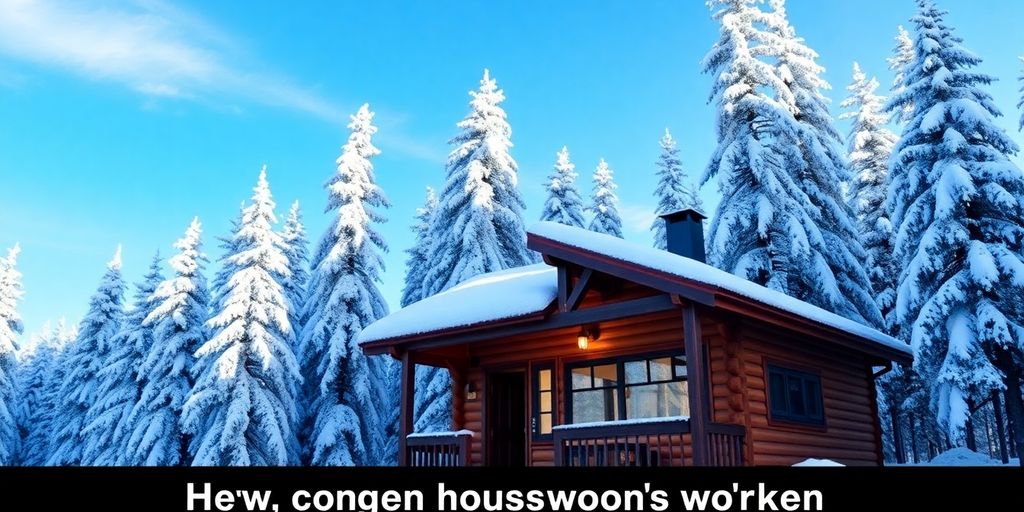
Finding a place to live while working a seasonal job in Alaska can feel like a puzzle, but don’t worry, there are options! It’s all about knowing what to expect and planning ahead. Let’s break down the common types of housing, the costs, and how to find a spot that works for you.
Types of Accommodations Available
Okay, so what kind of places can you actually stay in? Well, it really depends on the job and the location. Some employers, especially those in remote areas like a remote lodge, offer housing as part of the job package. This can range from shared dorm-style rooms to small cabins. If you’re lucky, you might even get a private room, but don’t count on it.
Here’s a quick rundown:
- Employer-Provided Housing: This is often the most convenient and affordable option. The quality can vary, so ask for photos or details beforehand.
- Shared Housing: Renting a house or apartment with other seasonal workers can cut down on costs. Look for listings in local online groups or ask your employer if they know of any available rentals.
- Hostels: Some Alaskan towns have hostels that offer budget-friendly accommodations. This is a good option if you’re only staying for a short time or want to meet other travelers.
- Camping: If you’re working in a more remote area and are into the outdoors, camping might be an option. However, make sure it’s allowed and be prepared for the Alaskan weather.
Cost of Living in Alaska
Let’s talk money. Alaska isn’t cheap, and housing is a big part of that. The cost of living can vary wildly depending on where you are. Anchorage and Fairbanks are generally more expensive than smaller towns.
Here’s a rough idea of what you might expect to pay:
| Expense | Average Cost (Monthly) |
|---|---|
| Rent (Shared) | $500 – $1000 |
| Rent (Studio) | $800 – $1500 |
| Utilities | $100 – $300 |
| Groceries | $300 – $500 |
Keep in mind that these are just estimates. Your actual costs could be higher or lower depending on your lifestyle and location. Also, remember that some jobs, like a housekeeping position, include housing, which can save you a ton of money.
Finding Housing Near Your Job
So, how do you actually find a place to live? Start by asking your employer. They might have leads on available rentals or be able to connect you with other seasonal workers who are looking for roommates.
Here are some other places to look:
- Online Classifieds: Websites like Craigslist and Facebook Marketplace often have listings for rentals in Alaska.
- Local Facebook Groups: Search for groups related to your job location. People often post about available housing there.
- Word of Mouth: Talk to people! Let your employer, coworkers, and new friends know you’re looking for a place to live. You never know who might have a lead.
Finding housing in Alaska can be tough, especially in smaller towns where options are limited. Start your search early, be persistent, and don’t be afraid to ask for help. With a little planning, you’ll find a place to call home for your Alaskan adventure. The affordable housing crisis is real, but there are solutions if you’re proactive.
Embracing the Alaskan Lifestyle
Cultural Experiences to Expect
When you come to Alaska, you’re not just getting a job; you’re stepping into a whole different way of life. Expect a strong sense of community, especially in smaller towns. People here value self-reliance and helping each other out. You’ll find a mix of cultures, from the traditions of Alaska Native communities to the lifestyles of those who’ve come from all over the world to experience the Alaskan wilderness. Don’t be surprised by potlucks, local festivals, and a general appreciation for the outdoors. You might even pick up some new skills, like fishing or hiking, from your neighbors. The Anchorage Community Development Authority offers insight into living and working in Anchorage.
Outdoor Activities and Adventures
Alaska is an outdoor enthusiast’s dream. Depending on the season, you can go hiking, fishing, kayaking, or even dog sledding. Many seasonal workers take advantage of their time off to explore the state’s vast wilderness. Consider visiting national parks like Denali or Kenai Fjords. Even just a short drive outside of town can lead to incredible scenery and wildlife viewing opportunities. Just remember to be prepared for changing weather conditions and to respect the environment. You can book a flightseeing tour to see the stunning landscapes.
Community Engagement Opportunities
Getting involved in the local community is a great way to make the most of your time in Alaska. Look for volunteer opportunities, join a local sports team, or attend community events. This is a great way to meet people and learn more about the Alaskan way of life. Plus, it’s a chance to give back to the community that’s hosting you for the season. You might find yourself helping out at a local food bank, participating in a cleanup event, or even sharing your skills with others. The State of Alaska offers job opportunities in various fields.
Living in Alaska is about more than just the job. It’s about embracing the unique environment and the people who call it home. Be open to new experiences, be respectful of the local culture, and you’ll find that your time in Alaska is truly unforgettable.
Financial Considerations for Working in Alaska
Average Salaries for Seasonal Jobs
Okay, let’s talk money. What can you realistically expect to earn in Alaska? Well, it varies. A lot. Entry-level jobs, like working in a fish cannery or doing basic tourism stuff, might start around the Alaska minimum wage, which is set to increase to $13.00 on July 1, 2025. More skilled positions, such as tour guides or specialized trades, can pay significantly more. The key is to research specific roles and companies to get a clear picture.
Cost of Living Breakdown
Alaska’s cost of living can be a bit of a shocker if you’re not prepared. Some things are pricier than what you’re used to. Here’s a quick rundown:
- Housing: This will likely be your biggest expense. Expect to pay more than you would in many other states, especially in popular tourist areas.
- Food: Groceries can be expensive, particularly in remote areas where supplies need to be flown in. Eating out? Budget accordingly.
- Transportation: If you’re in a remote location, you might not need a car, but if you’re in a city like Anchorage, transportation costs can add up.
- Utilities: Heating costs can be high, especially during the winter months.
It’s important to remember that while some things cost more, many seasonal jobs offer housing, which can significantly reduce your expenses. Also, consider that you might be working long hours, leaving less time (and energy) to spend money.
Saving Tips While Working
So, you want to make the most of your Alaskan adventure and save some cash? Here are a few tips:
- Budget, budget, budget: Know where your money is going. Use an app or a spreadsheet to track your spending.
- Cook your own meals: Eating out is expensive. Hit up the local grocery store and get cooking.
- Take advantage of free activities: Alaska is full of amazing outdoor activities that don’t cost a dime. Hiking, fishing, and exploring are all great options.
- Limit alcohol and entertainment expenses: These can quickly eat into your savings. Find cheaper ways to unwind after a long day.
- Consider a second job: If you have the energy, picking up a few extra hours can really boost your savings. Just make sure it doesn’t burn you out.
| Expense | Estimated Monthly Cost | Notes , you’ve got this!
Building Connections and Networking
It’s easy to get caught up in the work and the amazing scenery, but don’t forget about the people! Building a network in Alaska can make your experience way richer, both personally and professionally. You never know what opportunities might come from the connections you make.
Joining Local Community Groups
Think about what you’re into. Alaska has all sorts of groups, from hiking clubs to book clubs to volunteer organizations. Joining one of these is a great way to meet people who share your interests. It’s way easier to strike up a conversation when you already have something in common. Plus, you’ll get to experience a more authentic side of Alaskan life. For example, you can explore our related mobile & off-grid living communities.
Networking Events and Opportunities
Keep an eye out for local events. These could be anything from job fairs to community festivals. Job fairs, like the ones for seafood and fishing jobs, are great for meeting people in your industry. Community festivals are awesome for meeting locals and learning about Alaskan culture. Don’t be afraid to strike up conversations – most Alaskans are super friendly and welcoming.
Making Friends in Alaska
Making friends as an adult can be tough, but Alaska has a unique vibe that makes it a bit easier. Here are a few tips:
- Be open to new experiences. Say yes to invitations, even if they’re outside your comfort zone.
- Participate in activities. Join a sports team, take a class, or volunteer for a cause you care about.
- Be yourself. Authenticity goes a long way. People appreciate honesty and genuine connection.
Remember, the people you meet can become some of your best memories from your time in Alaska. Take the time to connect, share experiences, and build lasting relationships. It’ll make your adventure even more unforgettable. You can also explore adventure tours together!
Gaining Skills and Experience
Training Programs Available
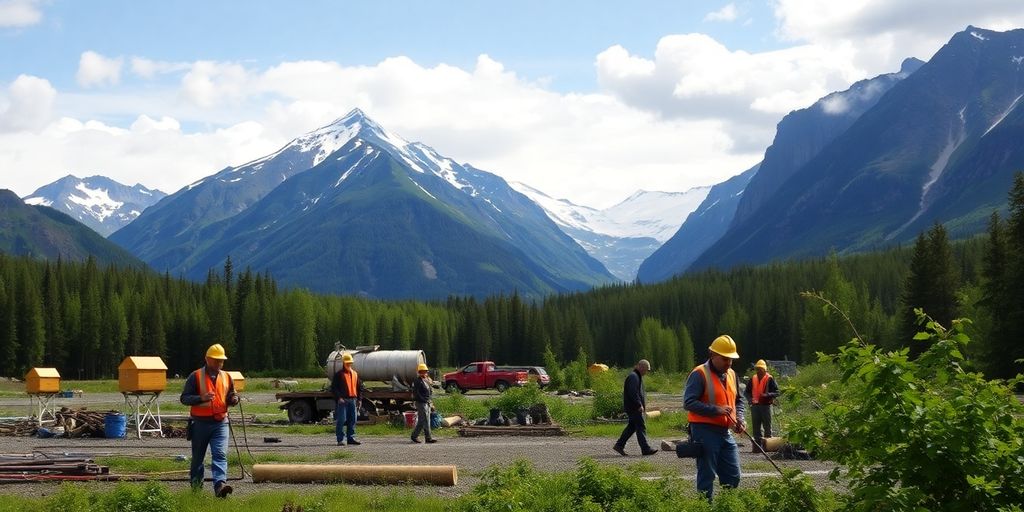
So, you’re thinking about heading to Alaska for a seasonal gig? Awesome! One of the coolest things is the chance to pick up new skills. Lots of employers offer on-the-job training, especially in fields like tourism and fishing. You might learn how to operate heavy machinery, guide tours, or even process seafood. These programs are usually free and can really boost your resume. For example, you could get trained in aerial support if you work for a helicopter tour company.
Certifications That Enhance Employability
Want to stand out from the crowd? Getting a certification can seriously up your chances of landing a job. Think about things like first aid/CPR, food handling, or even a commercial driver’s license (CDL). These certs show employers you’re serious and ready to work. Plus, some jobs actually require specific certifications, so it’s worth looking into. You might even find some employers willing to help you get certified. Having certifications that enhance employability can make you a more attractive candidate.
Transferable Skills for Future Jobs
Working in Alaska isn’t just about the paycheck; it’s about what you take away with you. You’ll probably develop a ton of transferable skills that are useful no matter what you do later on. Think about problem-solving, teamwork, and communication. Living and working in a remote environment forces you to be resourceful and adaptable. These are the kinds of skills that employers in any industry are looking for.
I remember one summer when I was working at a fish cannery. It was tough work, long hours, and sometimes pretty gross. But I learned how to work under pressure, how to communicate with people from all walks of life, and how to get the job done no matter what. Those skills have helped me in every job I’ve had since then.
Here’s a quick list of skills you might gain:
- Teamwork
- Problem-solving
- Adaptability
- Communication
- Time management
And here’s a table showing how some common seasonal jobs can translate into skills for other industries:
| Seasonal Job | Transferable Skills | Potential Future Jobs |
|---|---|---|
| Tour Guide | Communication, customer service, public speaking | Sales, marketing, teaching |
| Fish Cannery Worker | Teamwork, attention to detail, working under pressure | Manufacturing, quality control, logistics |
| Construction Worker | Physical stamina, problem-solving, teamwork | Landscaping, maintenance, repair work |
| Camp Counselor | Leadership, communication, conflict resolution | Teaching, social work, human resources |
Enjoying Your Time Off
Working in Alaska isn’t just about the job; it’s about the adventure! When you’re not on the clock, there’s a whole state waiting to be explored. Make the most of your time off to create memories that will last a lifetime.
Top Attractions to Visit
Alaska is packed with incredible sights. Here are a few must-see spots:
- Denali National Park: Home to North America’s highest peak, offering stunning views and wildlife viewing opportunities. Consider a trip to Alaska to see it all.
- Kenai Fjords National Park: Take a boat tour to see glaciers calving into the ocean and spot marine wildlife.
- Inside Passage: Cruise through this scenic waterway, surrounded by towering mountains and lush forests.
- Mendenhall Glacier: Located near Juneau, this easily accessible glacier offers hiking trails and ice caves to explore.
Outdoor Activities to Explore
If you love the outdoors, Alaska is your playground. Here are some ideas to get you started:
- Hiking: From easy day hikes to challenging multi-day treks, Alaska has trails for all skill levels. Skagway offers an exceptional work experience with a variety of outdoor activities.
- Fishing: Cast a line in one of Alaska’s many rivers or lakes and try your luck at catching salmon, trout, or halibut.
- Kayaking/Canoeing: Paddle through calm waters and explore hidden coves and inlets.
- Wildlife Viewing: Keep an eye out for bears, moose, whales, and eagles in their natural habitats.
Local Events and Festivals
Immerse yourself in Alaskan culture by attending local events and festivals. Here are a few examples:
- Fur Rendezvous (Anchorage): A winter festival featuring sled dog races, snow sculpture competitions, and more.
- Salmonfest (Ninilchik): A music festival celebrating Alaska’s famous fish.
- Sitka Summer Music Festival: Enjoy classical music performances in a beautiful coastal setting.
- World Ice Art Championships (Fairbanks): Marvel at incredible ice sculptures created by artists from around the world.
Don’t be afraid to step outside your comfort zone and try something new. Alaska offers a unique blend of wilderness and culture, so take advantage of every opportunity to explore and learn. Remember to respect the environment and follow Leave No Trace principles to help preserve Alaska’s beauty for future generations. Consider flying to Alaska for an unforgettable adventure.
Preparing for the Transition Back Home
It’s easy to get caught up in the Alaskan experience, but planning your return is just as important. Let’s talk about how to make that transition smooth.
What to Expect After Your Season
Coming back home after a season in Alaska can be a bit of a shock. You’ve gotten used to the Alaskan lifestyle, the long days (or long nights, depending on the season), and maybe even the isolation. Reverse culture shock is real! You might miss the scenery, the people you met, and the sense of adventure. Be prepared for things to feel a little… ordinary back home. It’s also a good idea to give yourself some time to readjust before jumping back into your old routine. Maybe take a week or two to relax and process everything you experienced. Also, remember to prep your property for your return.
Leveraging Your Experience
Your time in Alaska wasn’t just a fun adventure; it was a valuable experience that can boost your resume. Think about the skills you gained: problem-solving, teamwork, adaptability, and independence. These are all things employers look for. Update your resume to highlight these skills, and be ready to talk about your experiences in interviews. Did you work in a high-pressure environment? Did you have to learn new skills quickly? Did you deal with difficult customers? These are all great stories to share. Also, consider how your Alaskan experience can help you with future job transitions.
Staying Connected with Alaskan Friends
One of the best parts of working in Alaska is the people you meet. You’ll form bonds with coworkers and other seasonal workers that can last a lifetime. Don’t let those friendships fade away when you leave. Here are a few ways to stay in touch:
- Social Media: Join Facebook groups or other online communities for Alaskan workers.
- Contact Info: Exchange contact information (phone numbers, email addresses) with the people you want to stay in touch with.
- Plan Visits: If possible, plan future trips back to Alaska to visit your friends. Or, arrange for them to visit you!
It’s easy to lose touch once everyone scatters, but making an effort to stay connected can bring a lot of joy and support in the years to come. Plus, you never know when those connections might come in handy for future job opportunities or adventures.
Success Stories from Seasonal Workers
Testimonials from Previous Workers
It’s always great to hear directly from people who’ve been there, done that, and thrived! Let’s check out some testimonials from former seasonal workers in Alaska. These stories highlight the diverse experiences and the positive impacts seasonal work can have.
- "Working in Alaska for a summer was the best decision I ever made. I saved a ton of money and saw some incredible sights!" – Emily R.
- "The work was hard, but the people I met and the things I learned were invaluable. I’d do it again in a heartbeat." – David L.
- "I wasn’t sure what to expect, but Alaska exceeded all my expectations. The job was great, and the adventure was even better!" – Sarah M.
Many seasonal workers find that the experience shapes their future career paths and personal growth in unexpected ways. It’s not just a job; it’s an adventure that can change your life.
Career Progression After Alaska
So, what happens after the season ends? For many, their Alaskan adventure is just the beginning. Seasonal work can open doors to unexpected career paths. For example, Sarah Myers spent five years in seasonal jobs earning around $15 per hour before securing a position as a forester in federal land management. career progression isn’t always linear, but the skills and experience gained in Alaska can be a major boost.
- Some workers find permanent positions with their seasonal employers.
- Others use their earnings to fund further education or training.
- Many discover new interests and passions that lead them down different career paths.
Memorable Experiences Shared
Beyond the paychecks and career opportunities, the memories made in Alaska are often the most cherished takeaway. These are the stories that stick with you long after you’ve returned home.
- Witnessing the Northern Lights for the first time.
- Hiking through Denali National Park and seeing wildlife up close.
- Participating in local festivals and experiencing Alaskan culture.
One worker shared a story about helping a local community prepare for a winter festival, an experience that gave them a deep appreciation for the Alaskan spirit. Another talked about a spontaneous camping trip with coworkers that turned into an unforgettable adventure. These are the moments that make working in Alaska so special. Heli Alaska, Inc. offers helicopter services to make your trip even more memorable.
Seasonal workers have shared amazing stories of their experiences that inspire others. From gaining new skills to making lifelong friends, these stories show how rewarding seasonal work can be. If you’re curious about how you can start your own journey, visit our website for more information and tips!
Wrapping Up Your Alaskan Adventure
So, there you have it! Working in Alaska for six months can be an incredible experience. Whether you’re drawn to the stunning scenery, the thrill of adventure, or just the chance to earn some cash while exploring a unique part of the world, there’s something for everyone. Just remember to plan ahead, stay flexible, and embrace the unexpected. From finding the right job to settling into life in the Last Frontier, each step is part of the journey. So pack your bags, get ready for some unforgettable memories, and dive into the Alaskan lifestyle. You won’t regret it!
Frequently Asked Questions
What types of seasonal jobs can I find in Alaska?
You can find many seasonal jobs in Alaska, especially in tourism, outdoor activities, and hospitality. Jobs like tour guides, park rangers, and hotel staff are common.
Is it hard to find a job in Alaska for just six months?
Not at all! Many companies look for seasonal workers, especially during the summer and winter tourist seasons. Just be sure to apply early!
What should I pack for my job in Alaska?
Pack warm clothes, sturdy boots, and gear for outdoor activities. Don’t forget essentials like toiletries and any personal items you need.
Do I need a special visa to work in Alaska?
Yes, if you are not a U.S. citizen, you will need a work visa. Make sure to check the requirements before applying.
How much does it cost to live in Alaska?
Living costs can be high, especially in cities. However, many jobs offer housing or housing assistance to help with expenses.
What are the best places to work in Alaska?
Popular job locations include Anchorage, Fairbanks, and Juneau. These cities have many seasonal job opportunities.
Are there any fun things to do during my time off?
Absolutely! You can explore beautiful parks, go hiking, fishing, or even see the Northern Lights if you’re there in winter.
Can students apply for seasonal jobs in Alaska?
Yes, many companies welcome students for summer jobs, especially those interested in outdoor adventures.